Closing Ceremony Held for the Artificial Intelligence-Supported Social Science Research Project
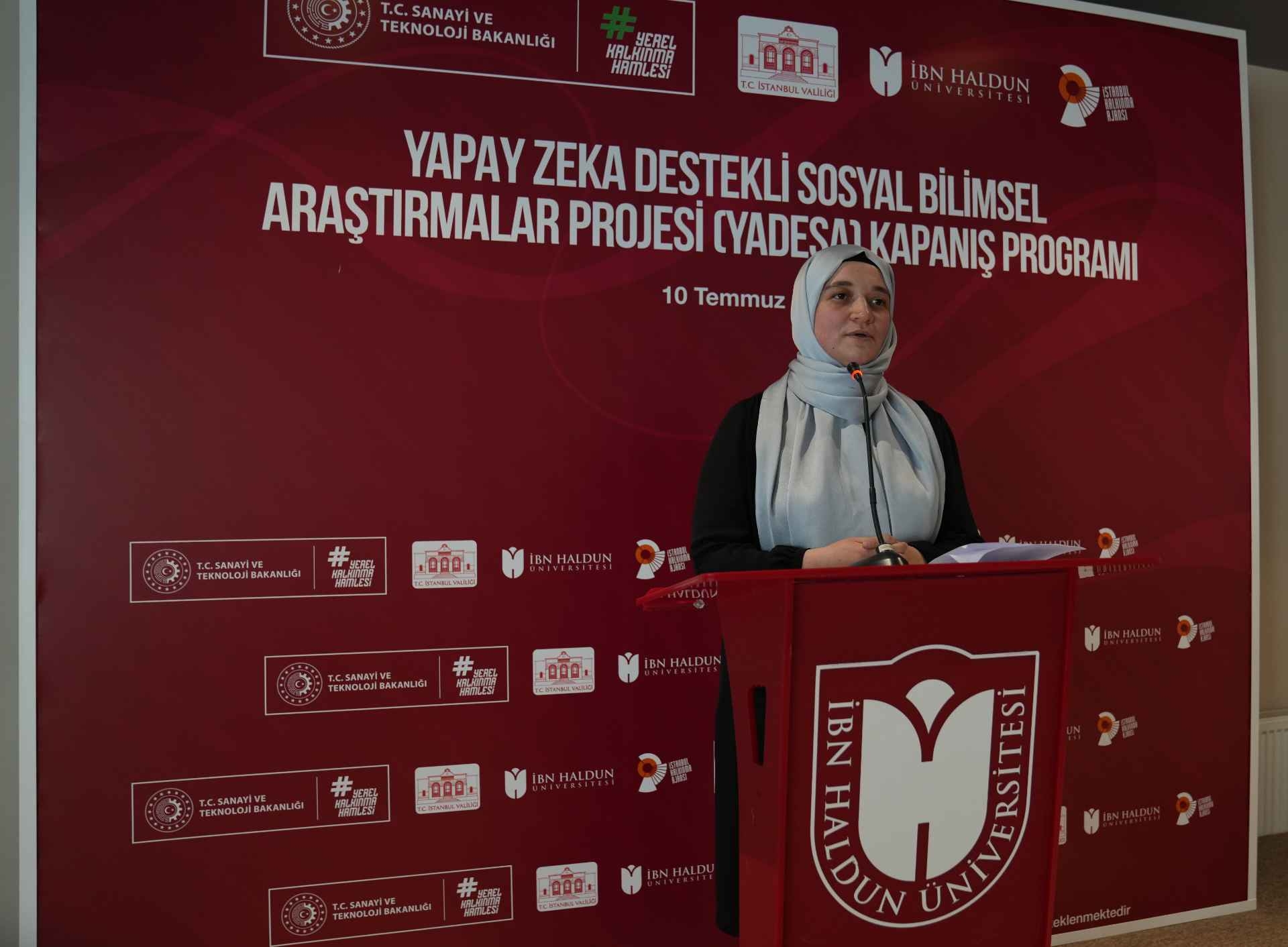
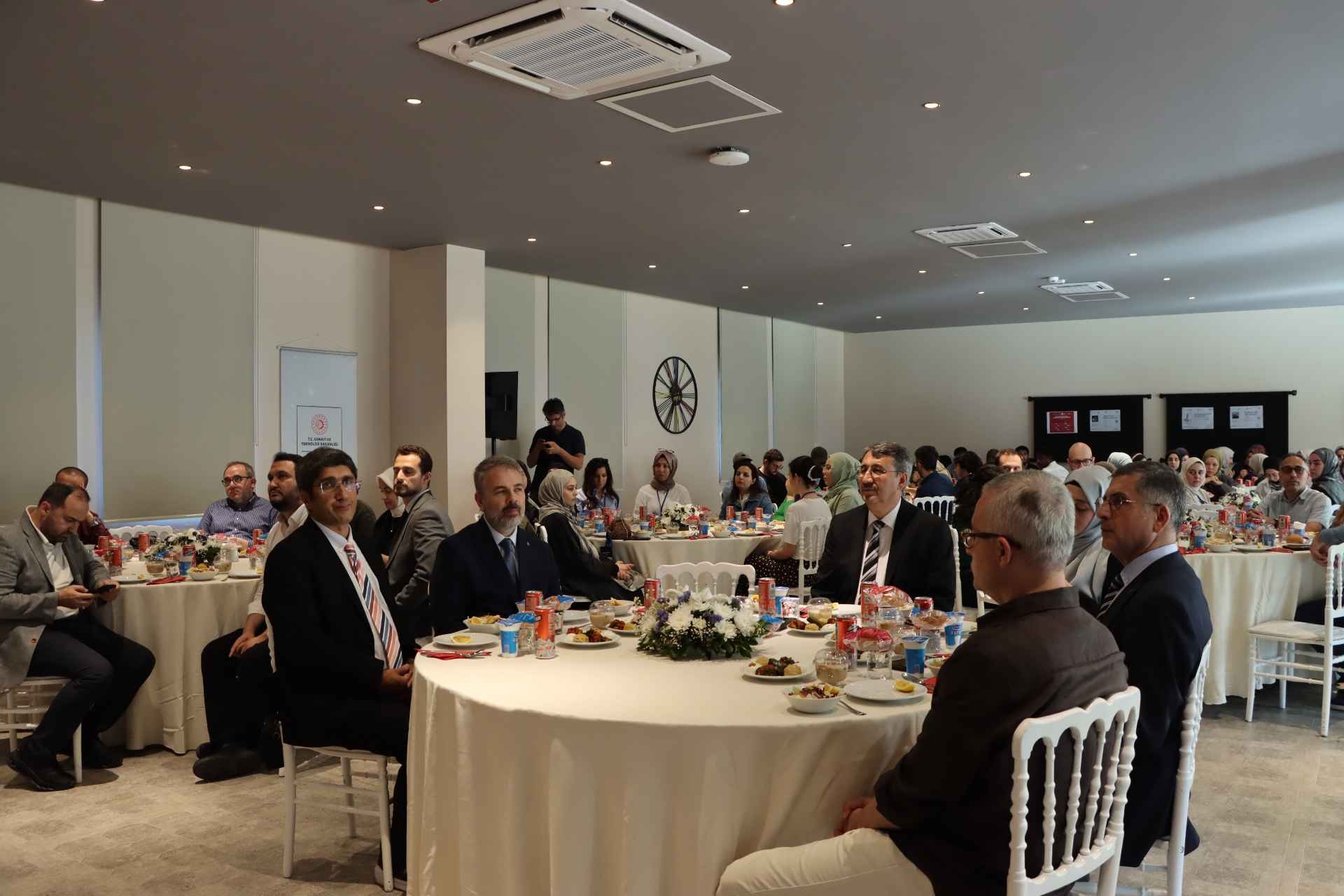
The closing ceremony of the Artificial Intelligence-Supported Social Science Research Project (YADESA), implemented by Ibn Haldun University with the support of the Istanbul Development Agency, was held on 10 July 2026 at the Başakşehir Campus of Ibn Haldun University. The program featured an overview of the project's implementation process, completed activities, and its contributions to the use of artificial intelligence in social science research.
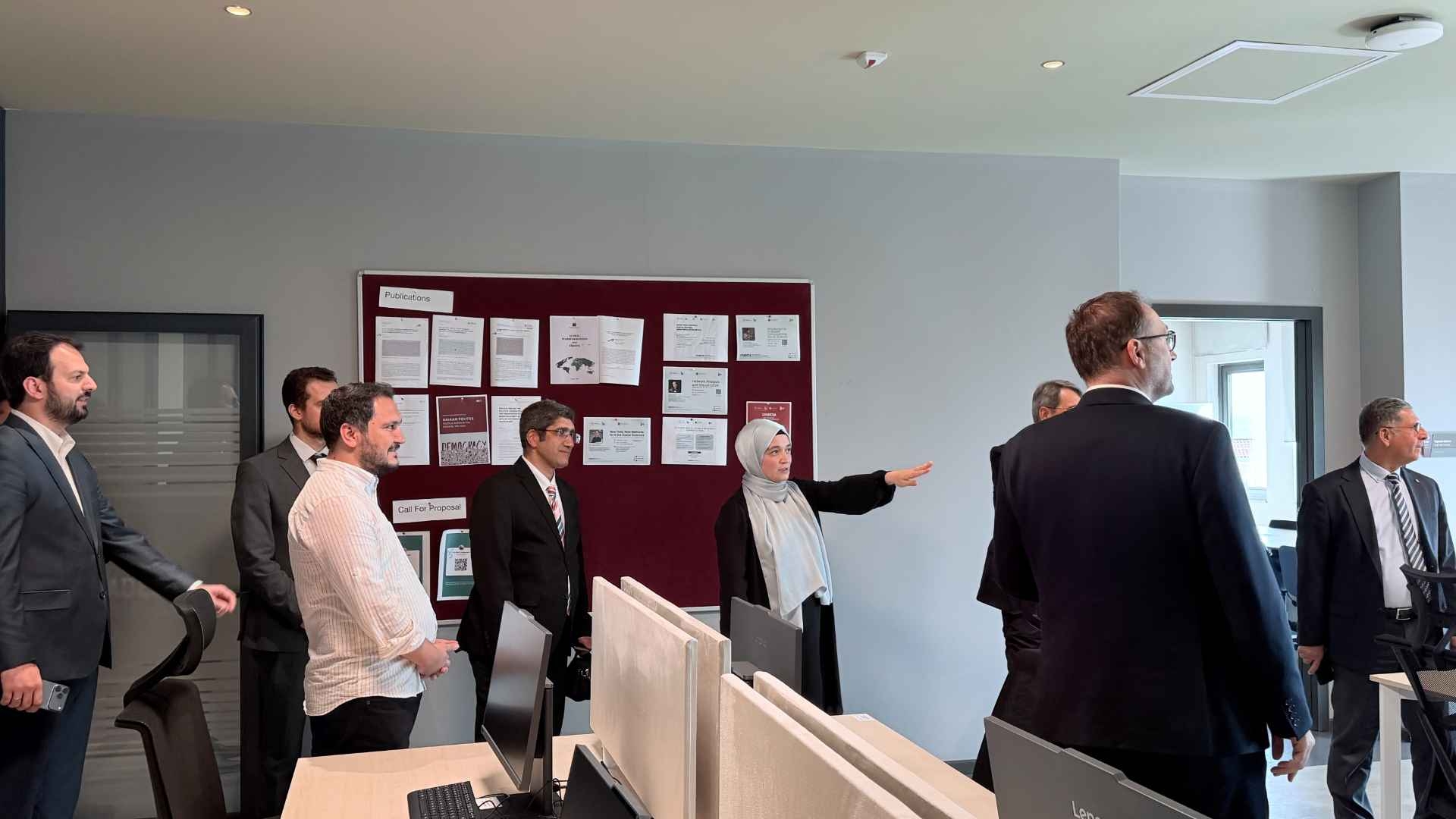
Prior to the closing ceremony, the Artificial Intelligence-Supported Text Analysis Laboratory, established within the scope of the project, was visited by administrators from Ibn Haldun University and the Istanbul Development Agency. During the visit, information was provided about the laboratory's technical infrastructure, areas of use, and the opportunities it offers for social science research.
Implemented under the beneficiaryship of Ibn Haldun University, in partnership with the Istanbul Governorship, and coordinated by Dr. Sümeyye Uyar, the project aimed to promote the use of AI-supported data analysis methods in social science research, enhance social scientists’ ability to analyze large-scale textual data using Python, natural language processing, and machine learning techniques, and establish a sustainable research infrastructure in this field.
A Strong Example of Public–University Cooperation
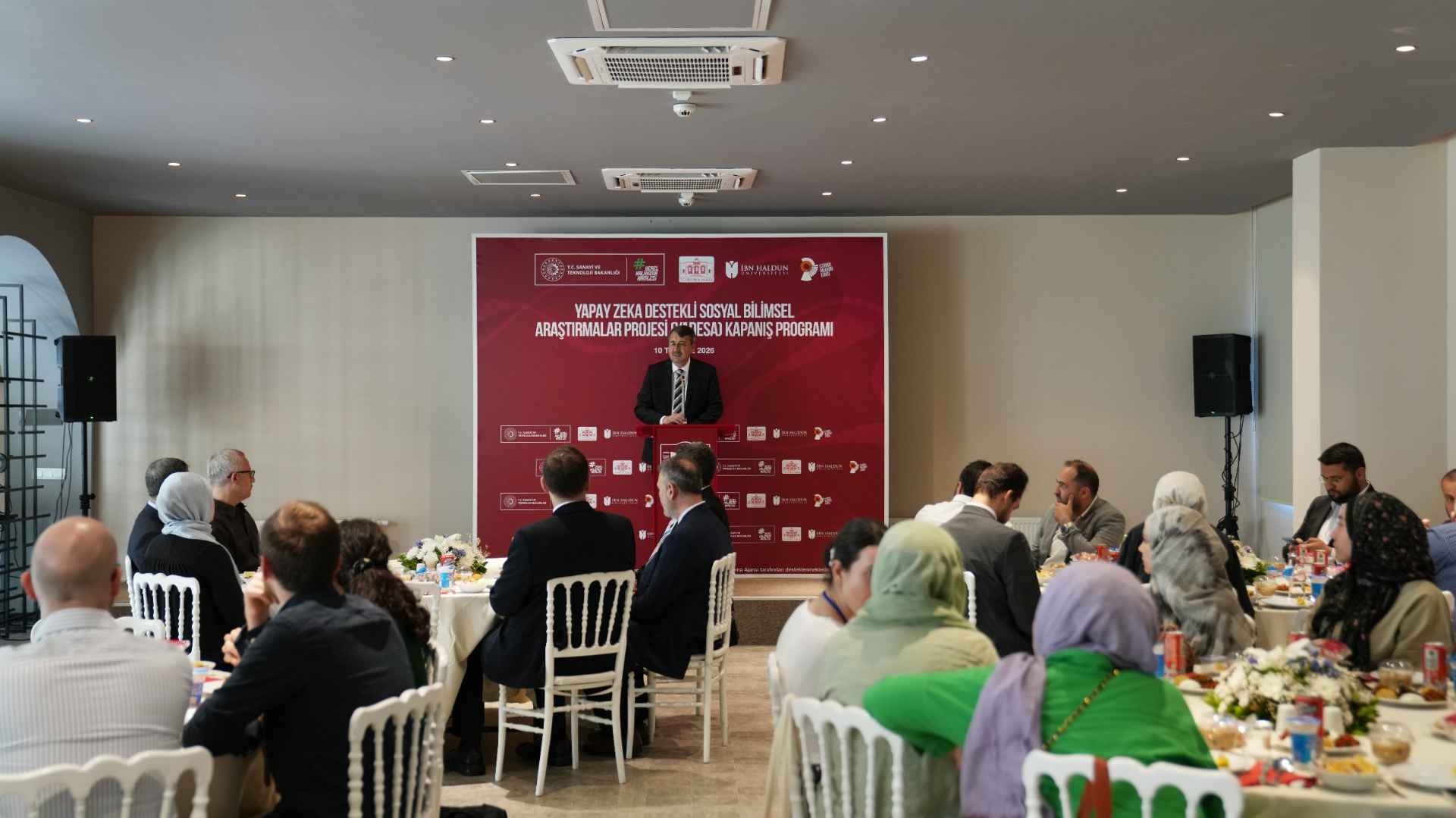
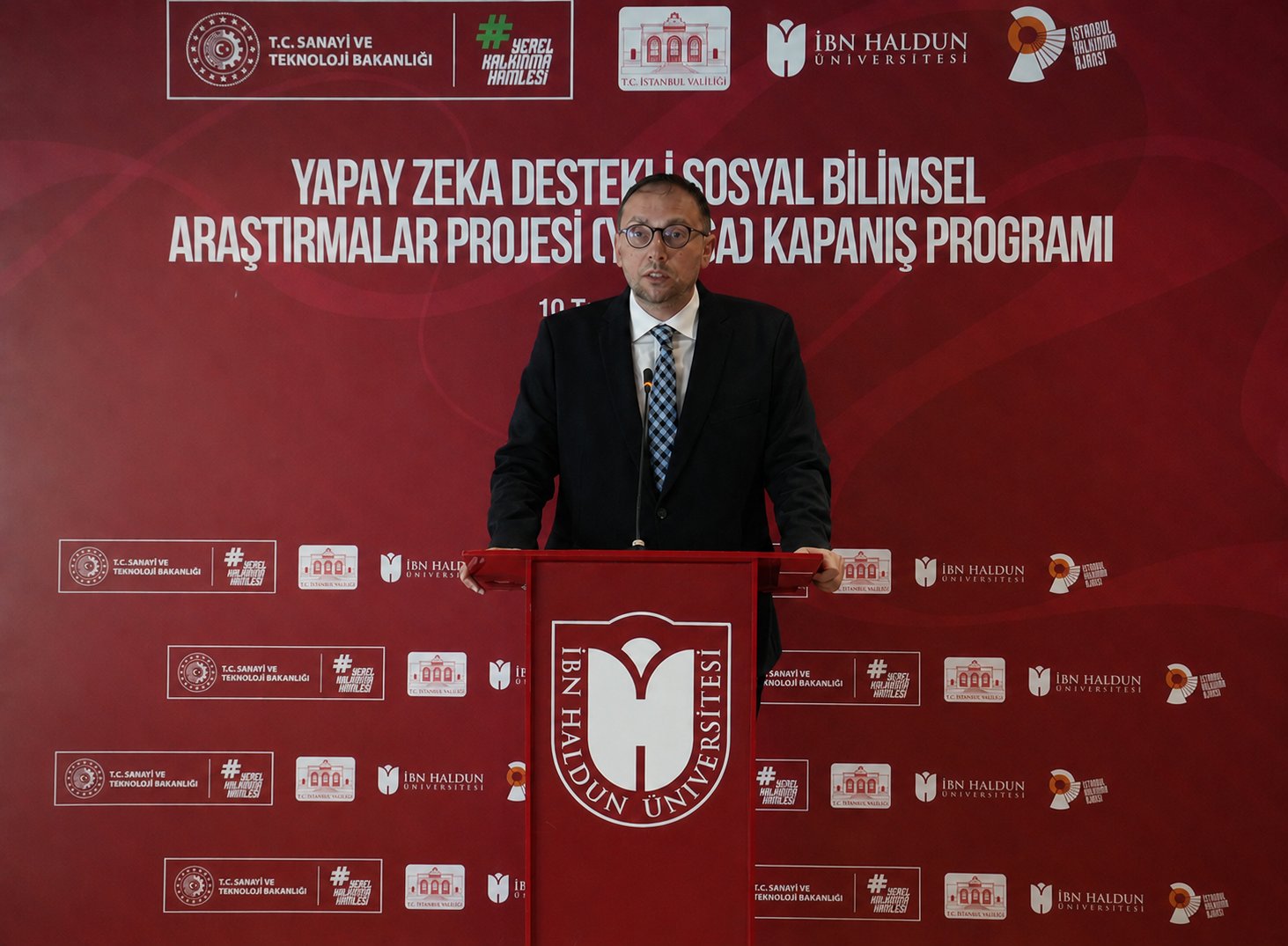
In his opening remarks, Prof. Dr. Atilla Arkan, Rector of Ibn Haldun University, stated that the YADESA Project represents a successful example of cooperation between the public sector and academia.
Emphasizing the University's commitment to artificial intelligence research and the development of public policies, Prof. Dr. Arkan noted that the academic capacity established through the project and the collaborations developed with international partners could contribute to future national and international project applications. He also highlighted that while artificial intelligence presents both opportunities and challenges, the decisive factor throughout this process remains the human element.
Investing in Qualified Human Resources
Ziya Taşkent, Member of the Board of Directors and Secretary General of the Istanbul Development Agency, stated that YADESA was among the projects selected for support under the Artificial Intelligence Technologies Financial Support Program implemented by the Agency.
Referring to the development of Istanbul's entrepreneurship and technology ecosystem, Taşkent emphasized that achieving a strong position in global competition requires investment in qualified human resources capable of producing and processing data, effectively utilizing technology, and benefiting from artificial intelligence. He expressed his belief that the infrastructure established and the training activities carried out within the project would have a significant impact not only in Istanbul but throughout Türkiye.
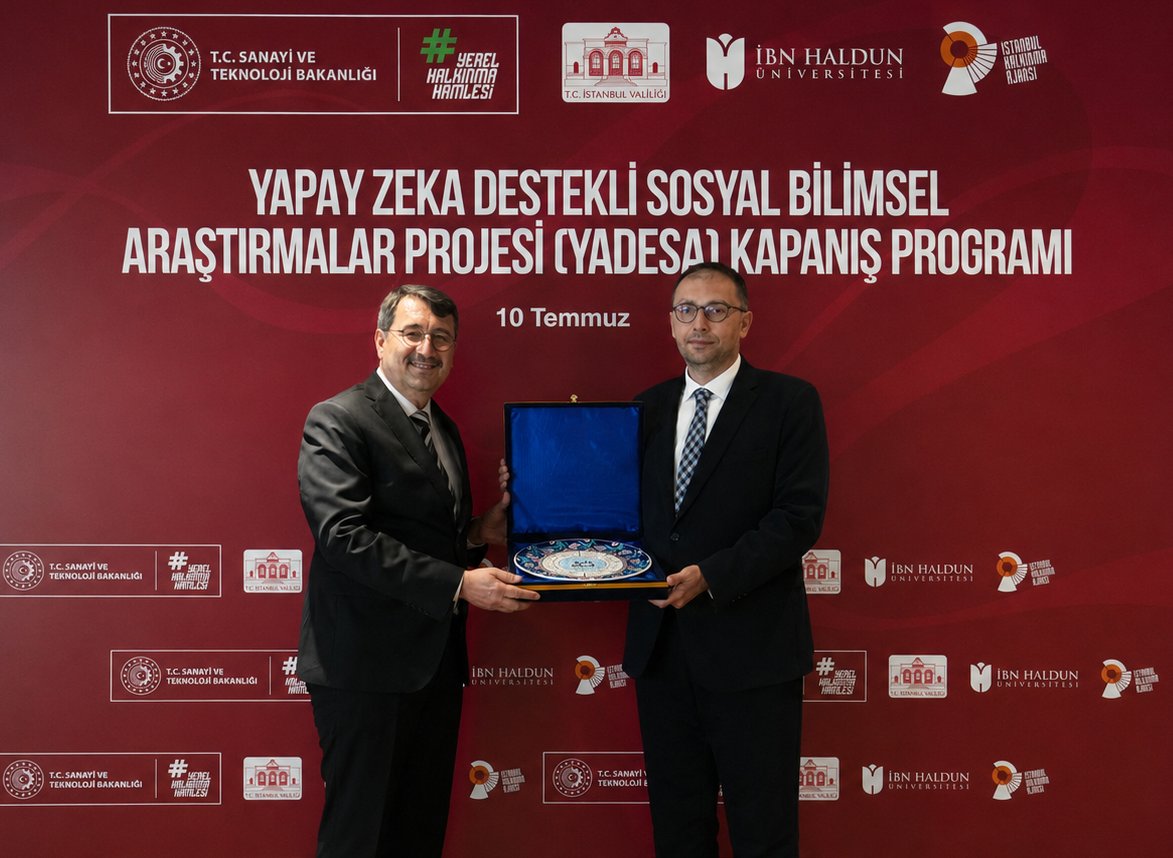
Following the opening speeches, Prof. Dr. Atilla Arkan, Rector of Ibn Haldun University, presented a commemorative gift to Ziya Taşkent, Member of the Board of Directors and Secretary General of the Istanbul Development Agency.
Project Activities and Outcomes Presented
The program continued with a presentation by Dr. Sümeyye Uyar, Project Coordinator of YADESA and faculty member in the Department of Political Science and International Relations at Ibn Haldun University, who provided an overview of the project's implementation process, activities carried out, and key outcomes.
Within the scope of the project, training activities were organized to equip social science researchers with the skills needed to analyze large-scale textual data using Python, natural language processing, and machine learning methods. As part of these efforts, an Artificial Intelligence-Supported Text Analysis Laboratory equipped with ten computers was established and made available to researchers.
As part of the project activities, a six-day Winter School totaling 40 hours was organized with the participation of 69 attendees. A six-day, 40-hour Summer School was also held with more than 80 participants and concluded on 10 July 2026.
With contributions from international experts, three in-person experience-sharing sessions and five online training sessions, each lasting four hours, were conducted. By recording and sharing the training content through the project's communication channels, the project reached approximately 20,000 people.
Project Outcomes Paved the Way for New Initiatives
The laboratory infrastructure established under YADESA, the qualified human resources developed, and the academic experience gained throughout the project also contributed to the preparation of new international project initiatives.
During the project period, two new international project proposals focusing on artificial intelligence, data analysis, social science research methods, and international cooperation were developed. One proposal was submitted to the European Commission, while the other was submitted to an international organization.
Accordingly, the YADESA Project extended beyond its training activities and infrastructure investments by laying the foundation for new project partnerships, the development of applications for international funding opportunities, and the sustainable enhancement of Ibn Haldun University's research capacity in artificial intelligence-driven social science research.
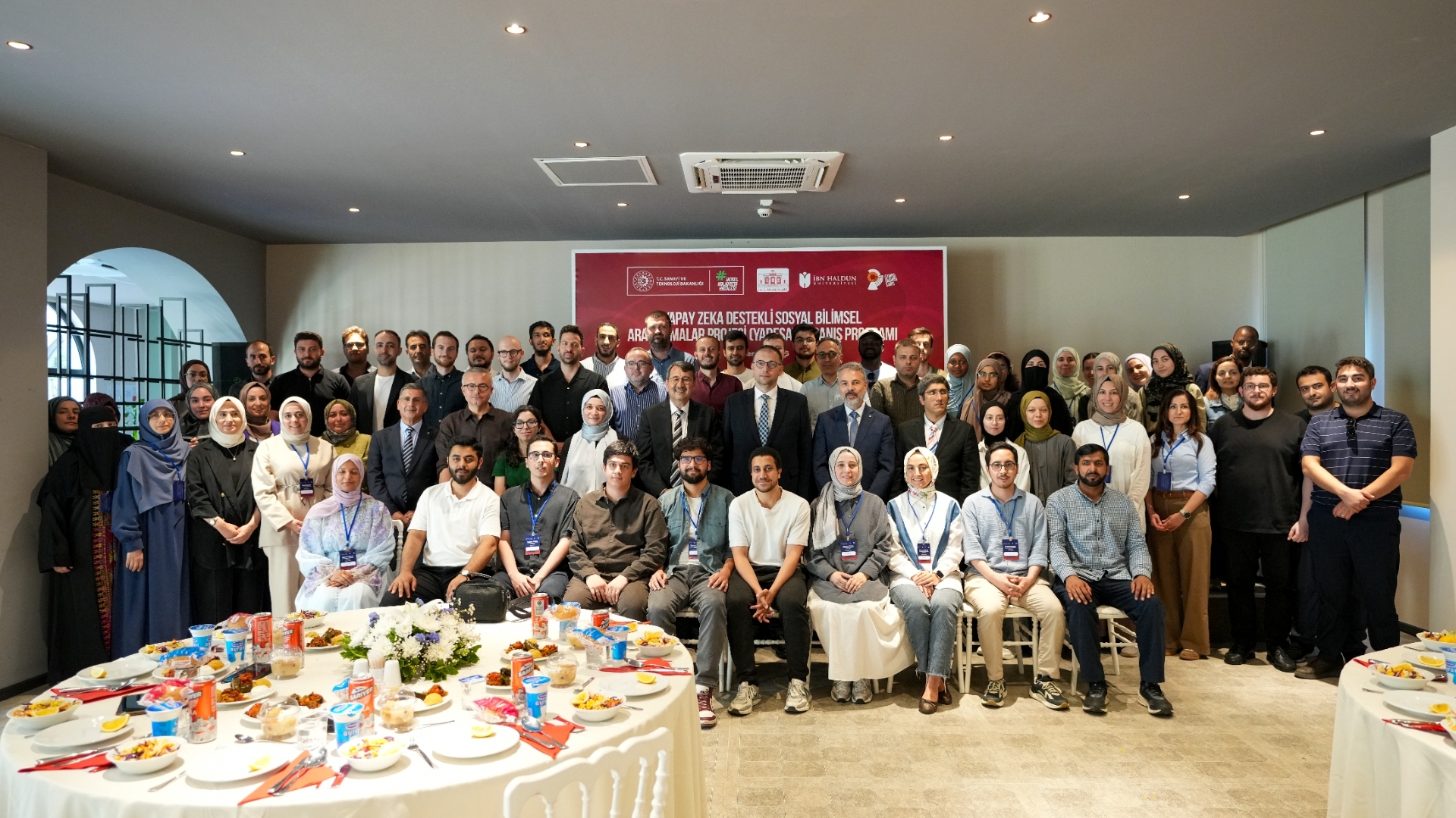
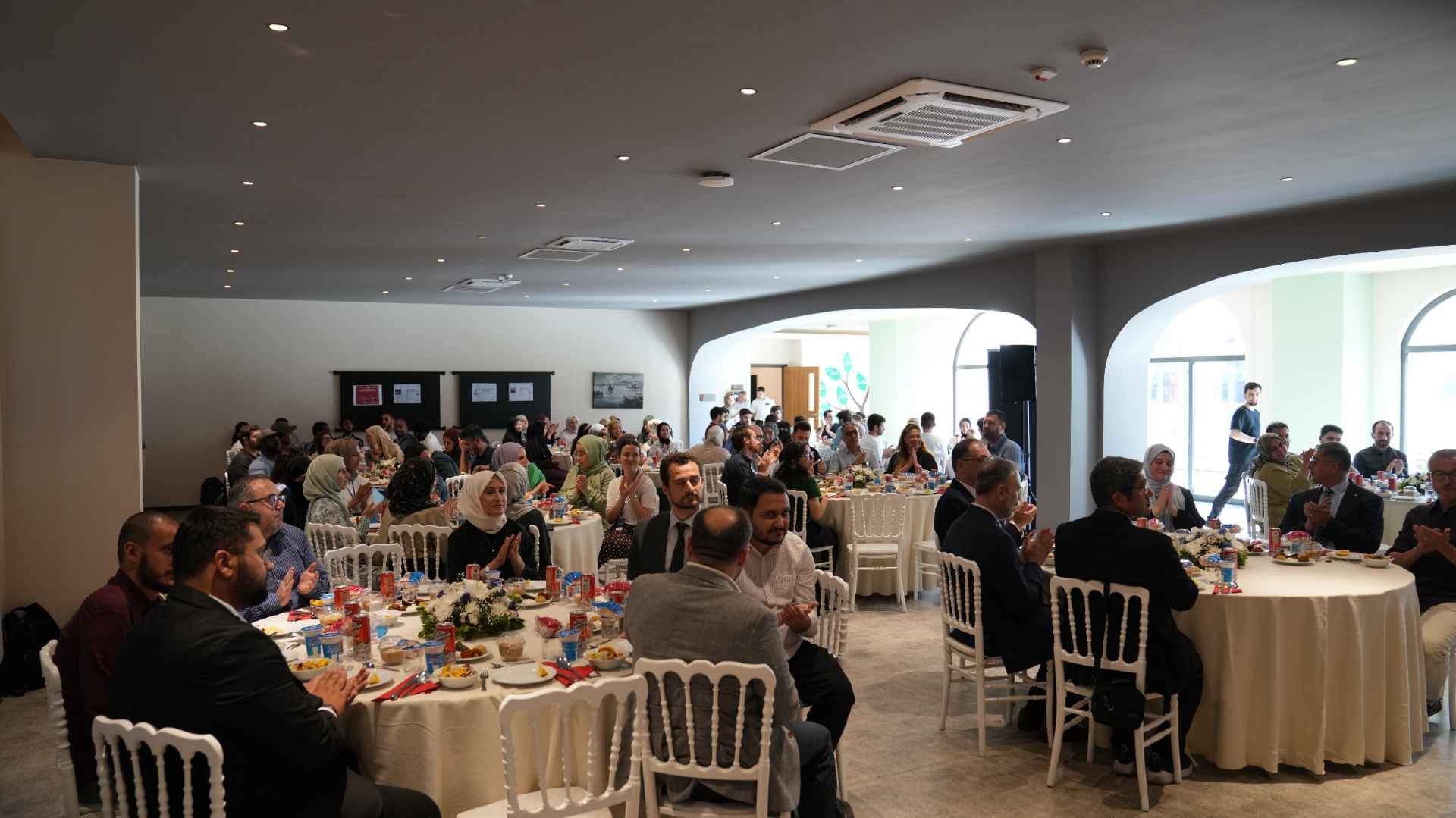
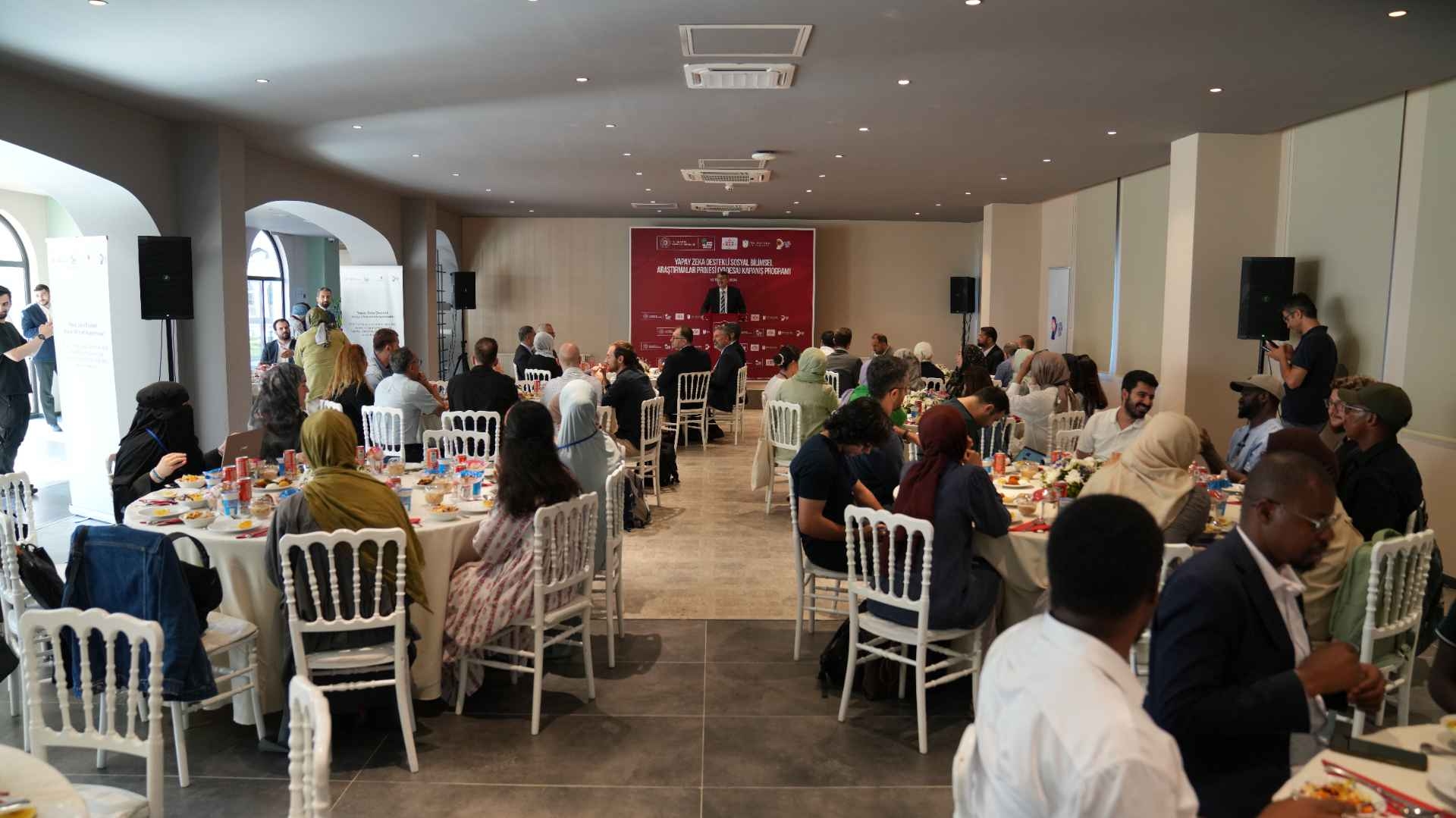
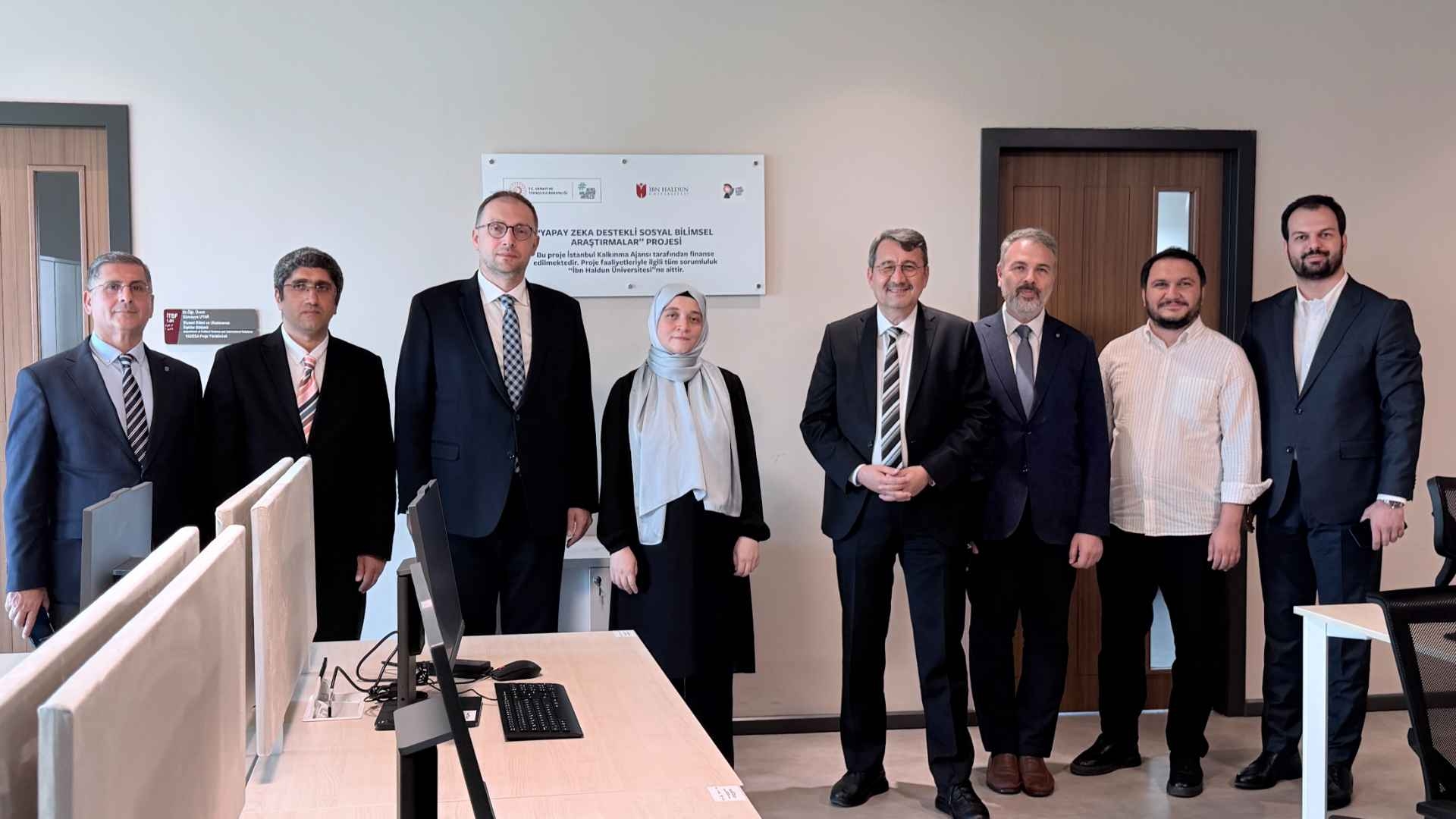
The program, which produced significant outcomes in promoting the use of artificial intelligence in social sciences, developing qualified human resources, strengthening public–university cooperation, and establishing a sustainable research infrastructure, concluded with a group photograph followed by a dinner reception. The event officially came to an end after the dinner.
Photos
Related Content
Our Faculty Member Dr. Serdal Tümkaya Participates in the COST AFFECT-EVO Action Working Group
Our Vice Rector, Prof. Dr. Yeliz Bozkurt Gümrükçüoğlu, Accepted into the COST HARPA Action Working Group
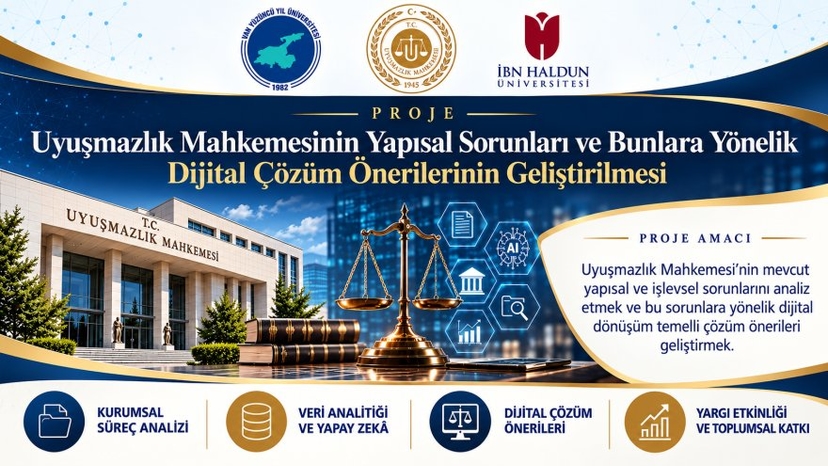
Five Academics from Our University Join a Project on Digital Transformation in the Judiciary
Faculty of Law Academic Dr. Gülnihal Ahter Yakacak Accepted into the COST HARPA Action Working Group
Vice Rector Prof. Dr. Yeliz Bozkurt Gümrükçüoğlu Accepted to a Working Group of the COST ELDA Action
Faculty Member Dr. Serdal Tümkaya Accepted to a Working Group of the COST KGELL Action
“Digital Vulnerability” Project Receives TÜBİTAK 3005 Funding
Erasmus+ KA220-YOU Support from the Turkish National Agency for the PeerMed4Youth Project