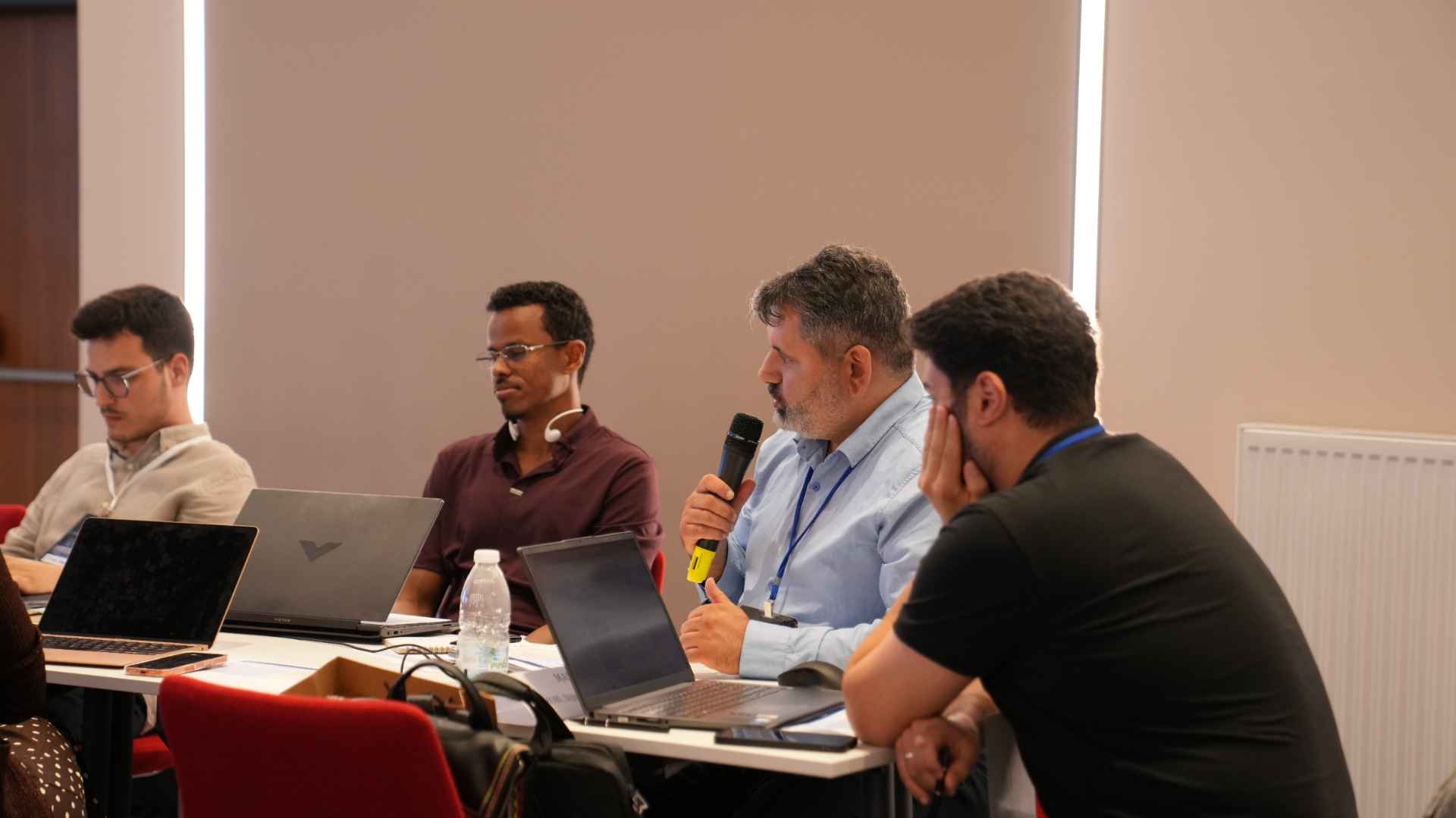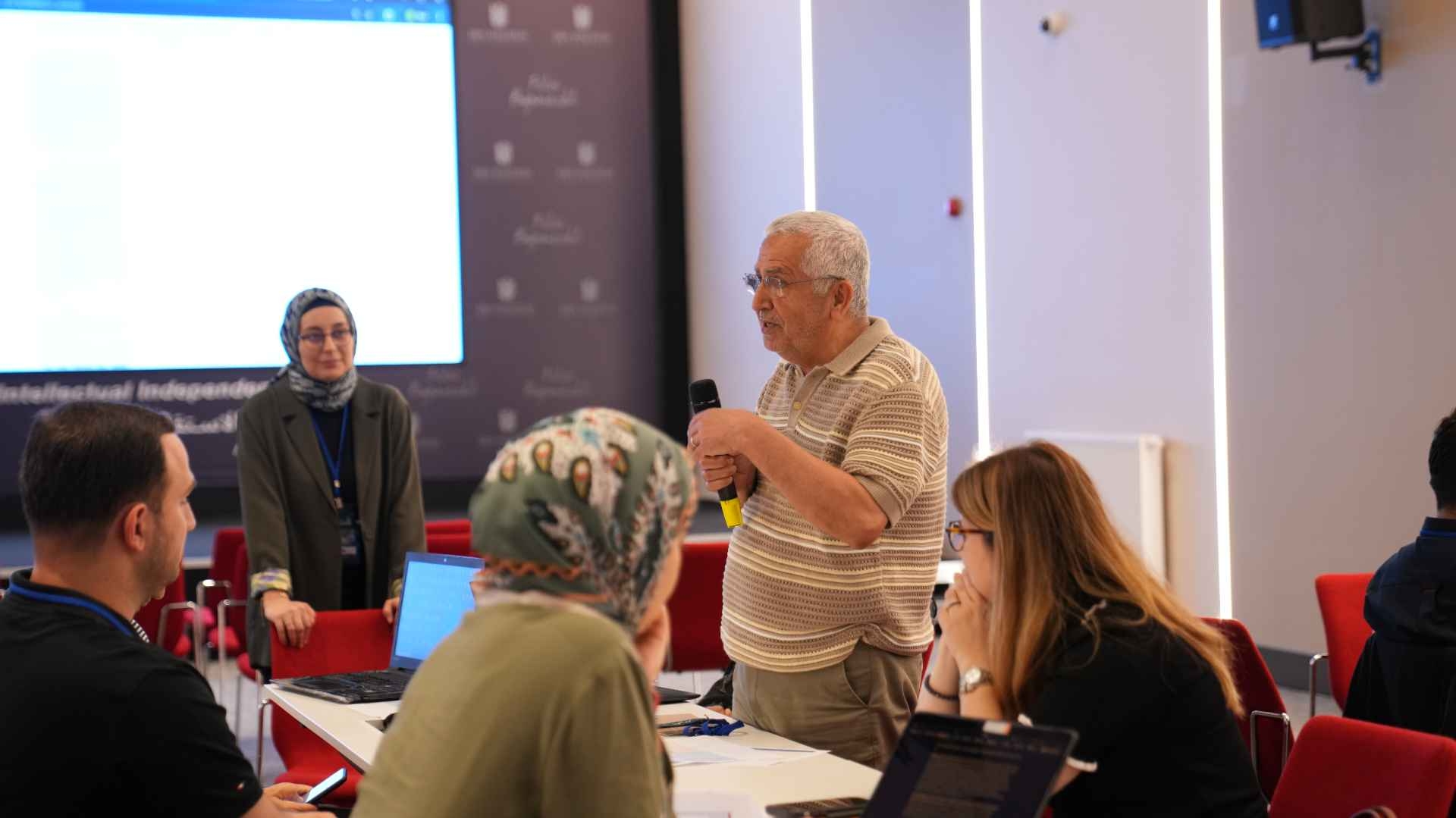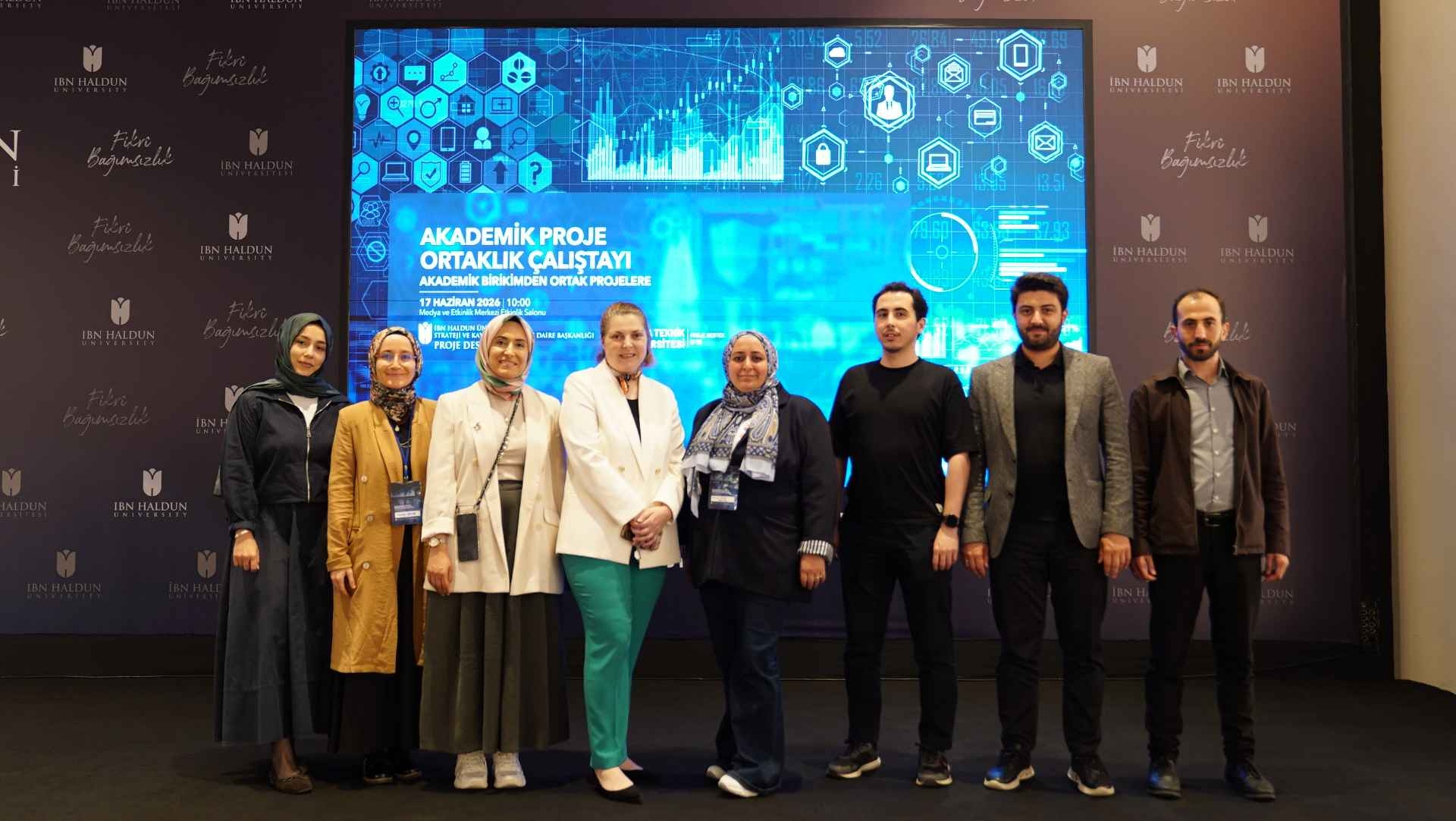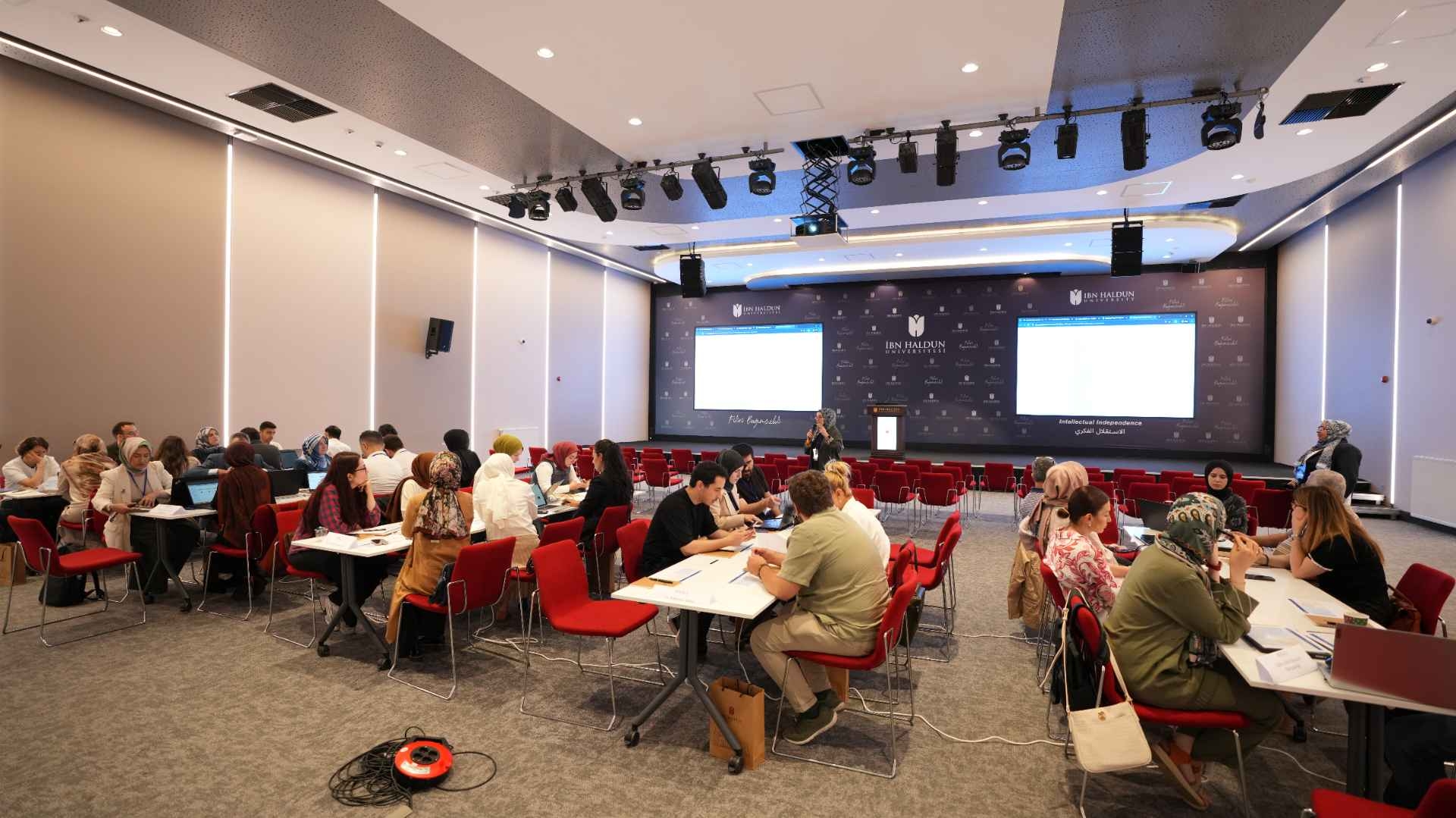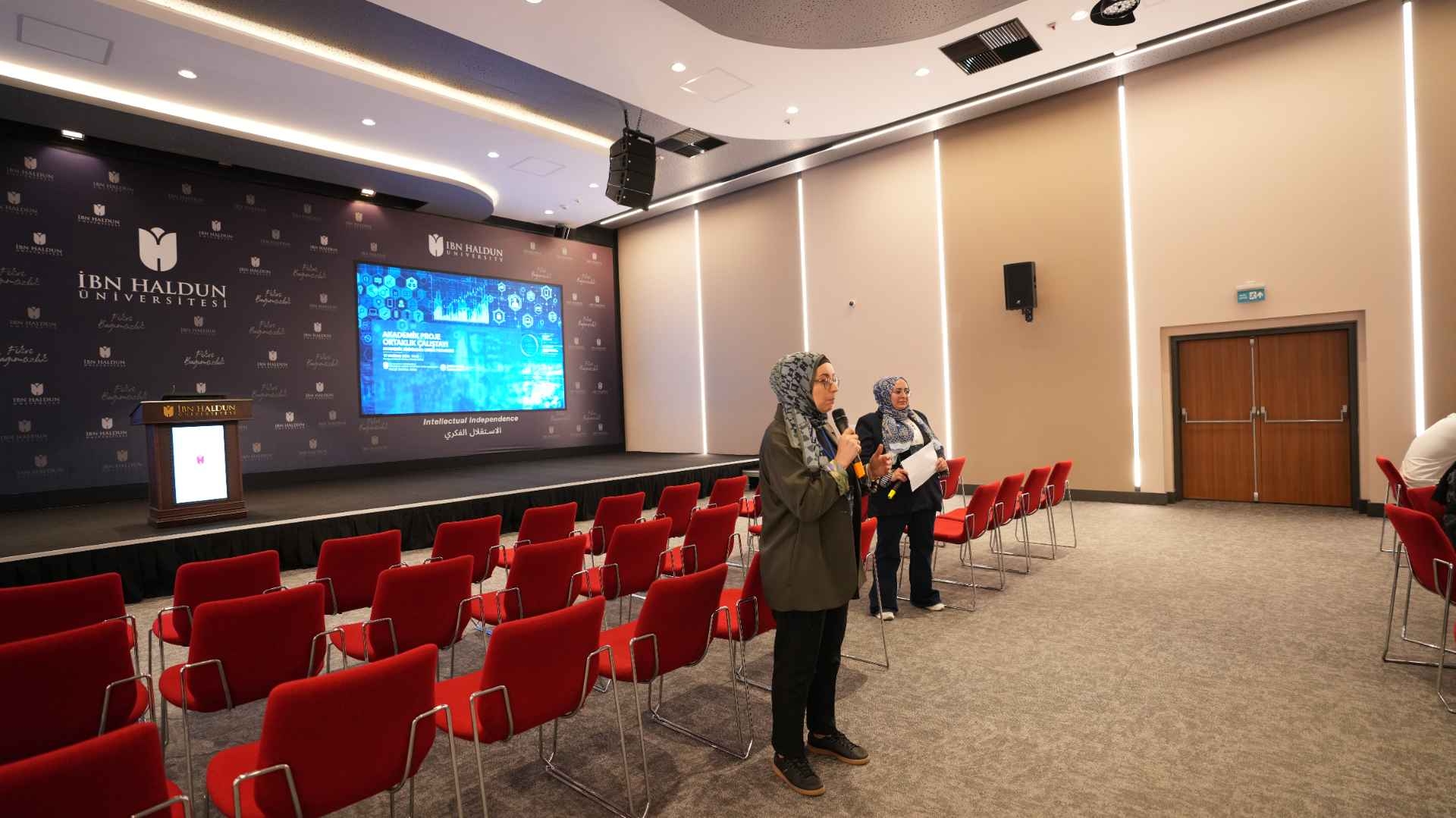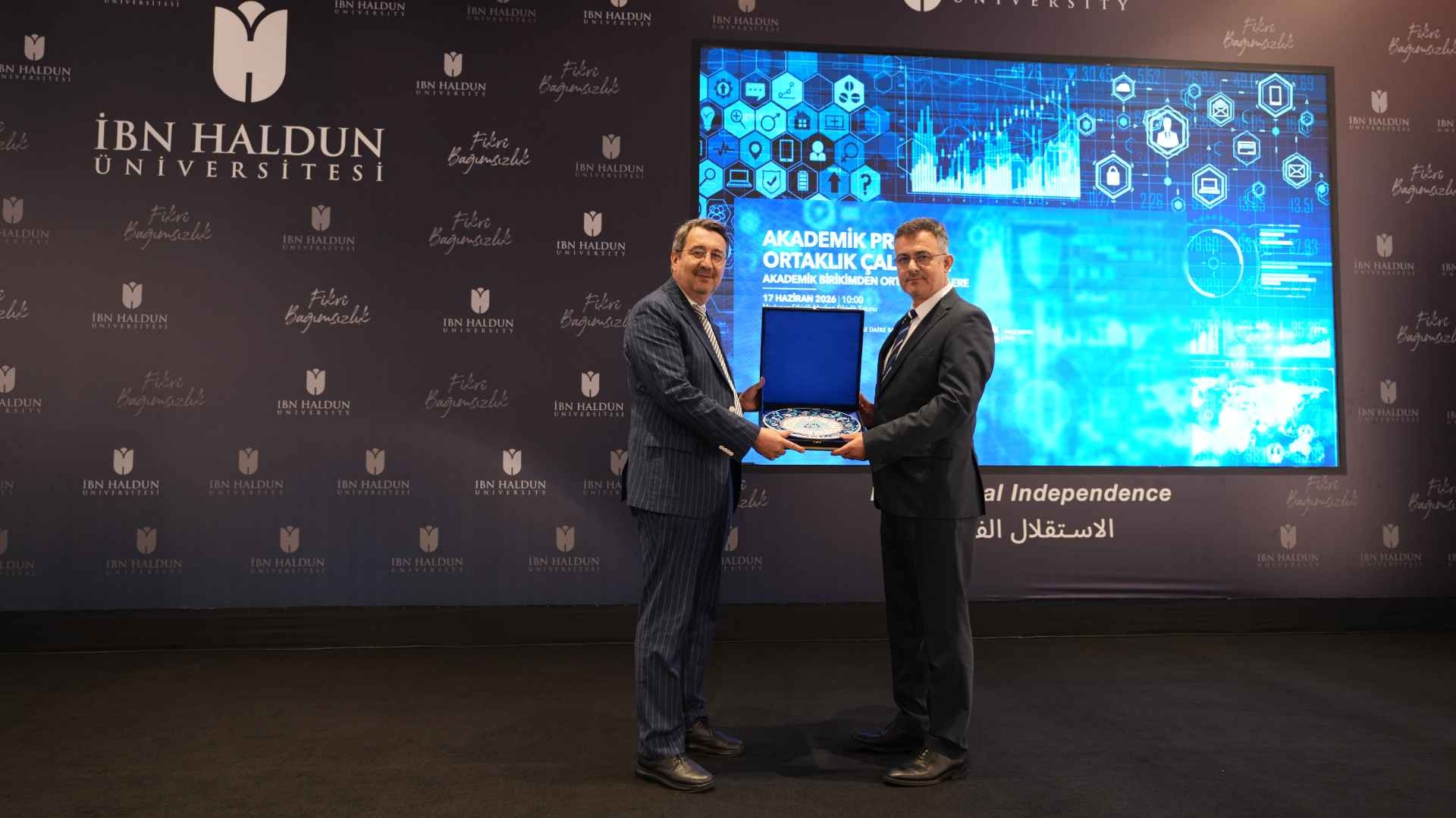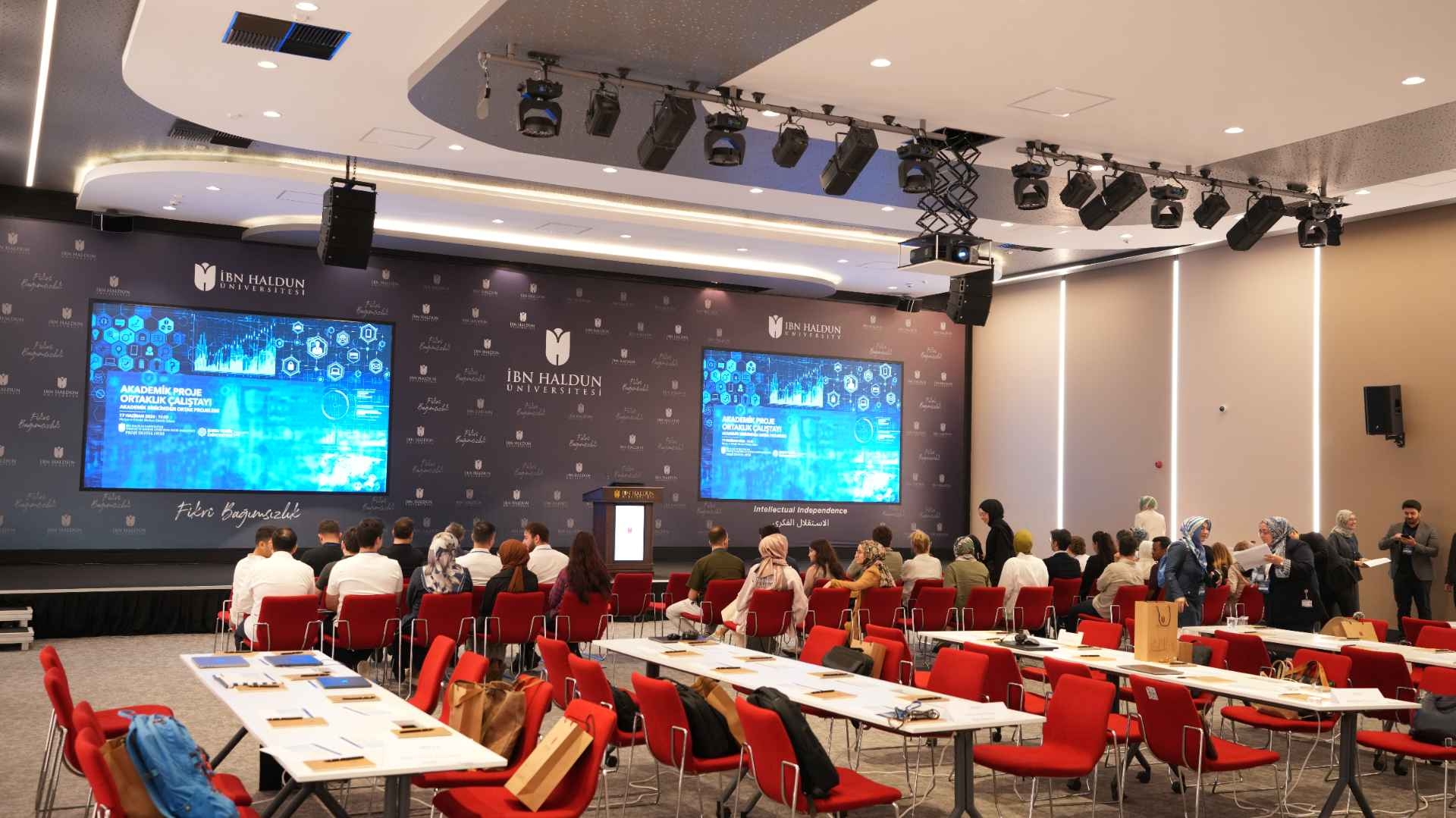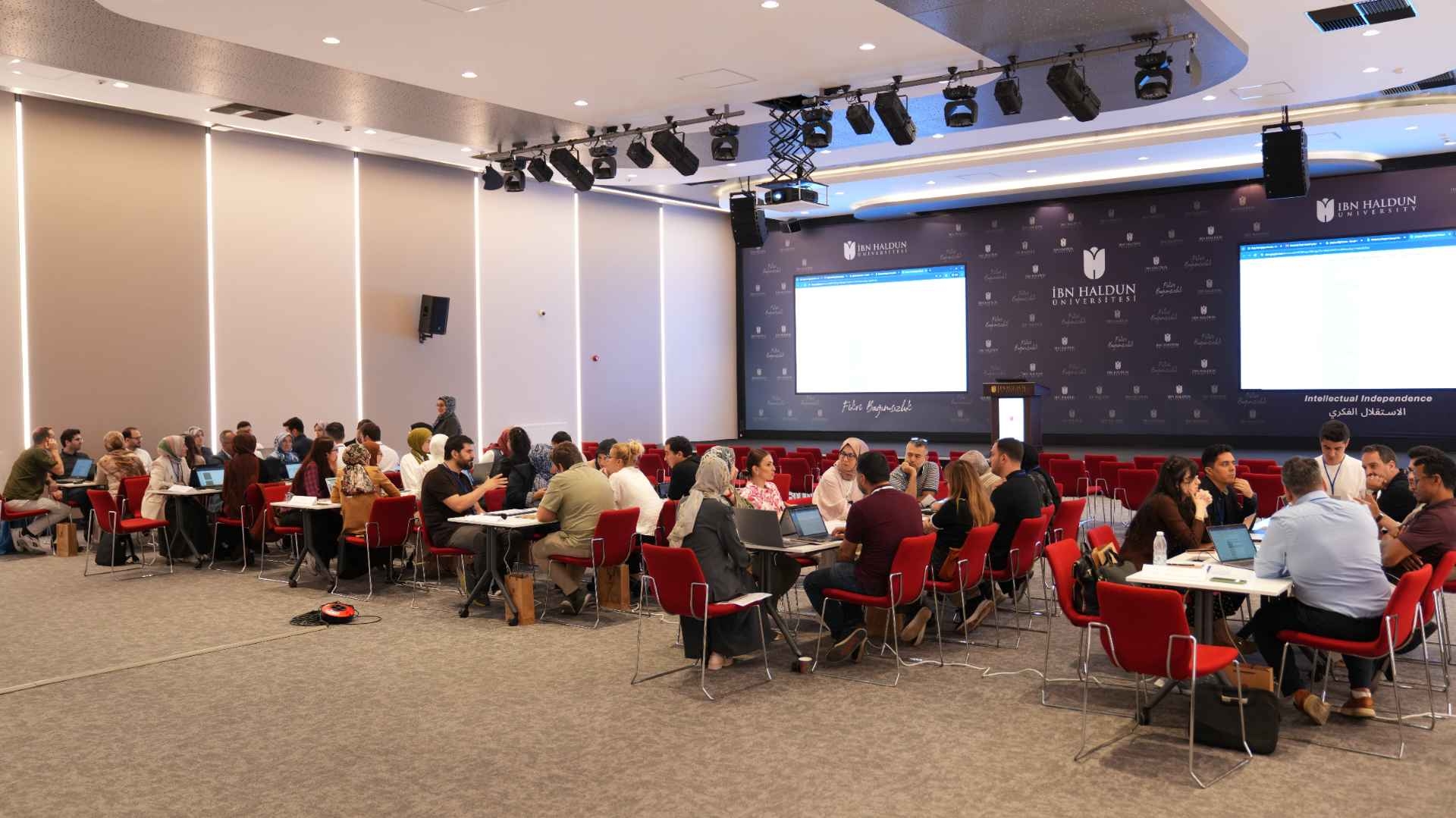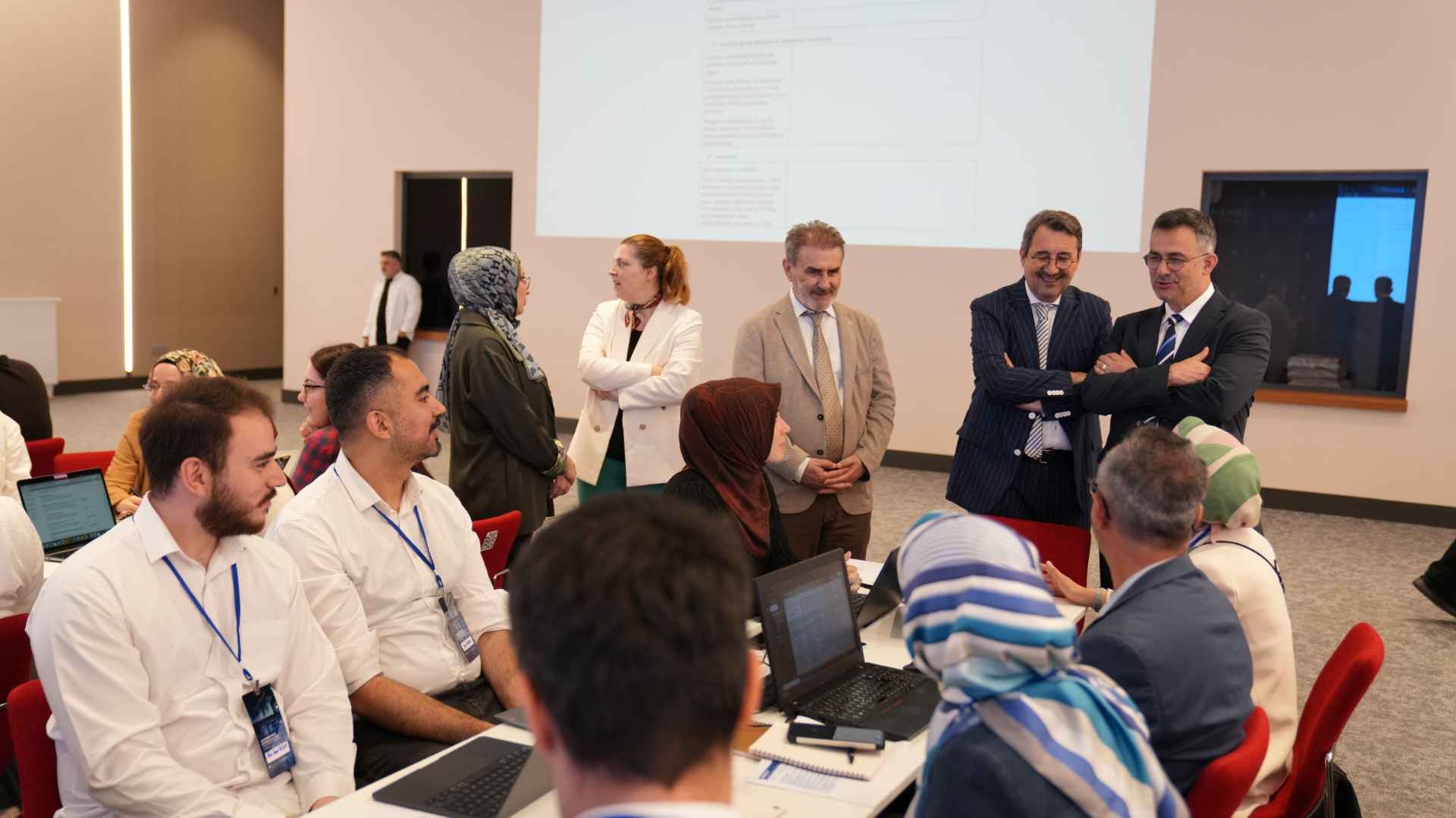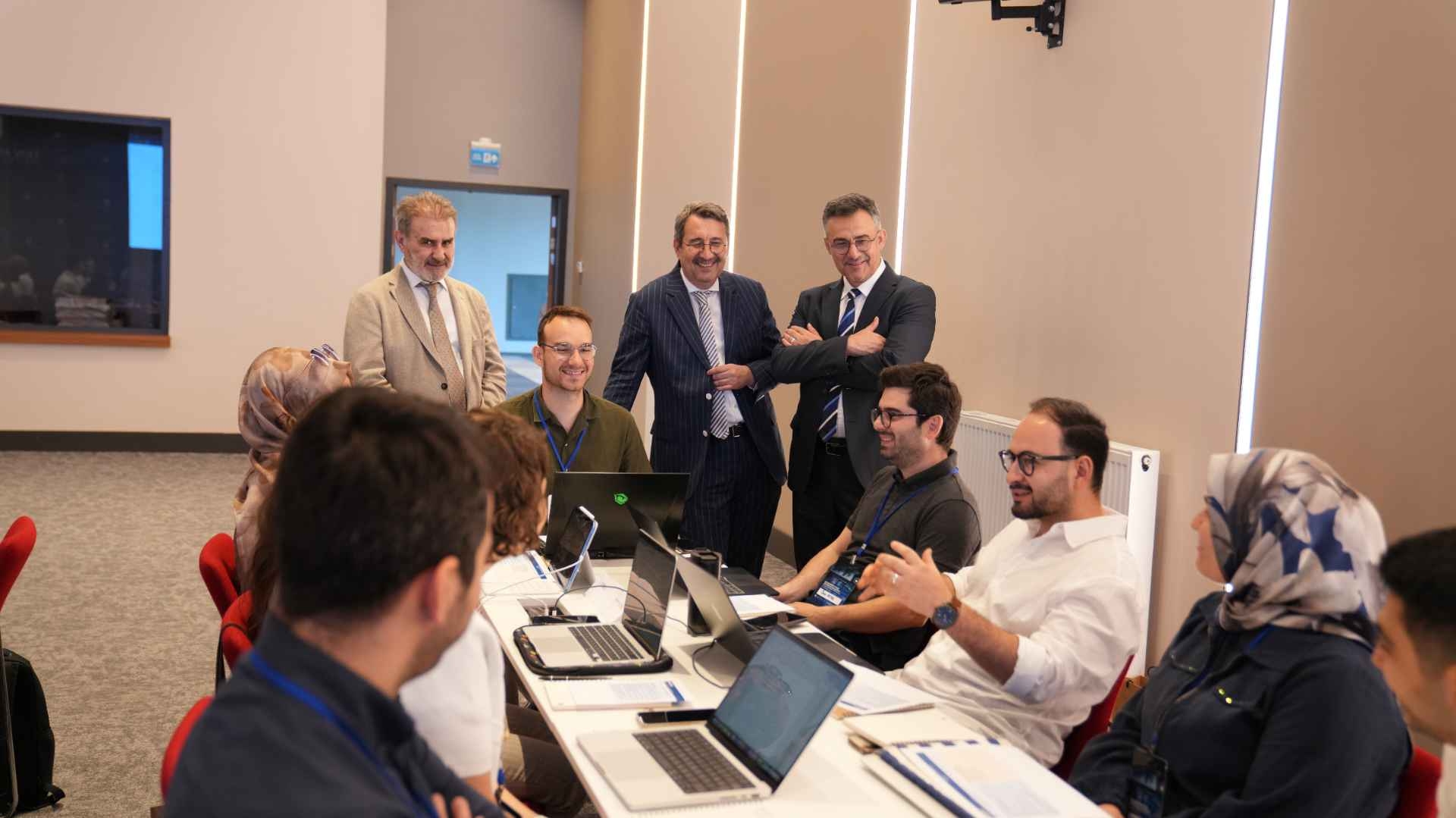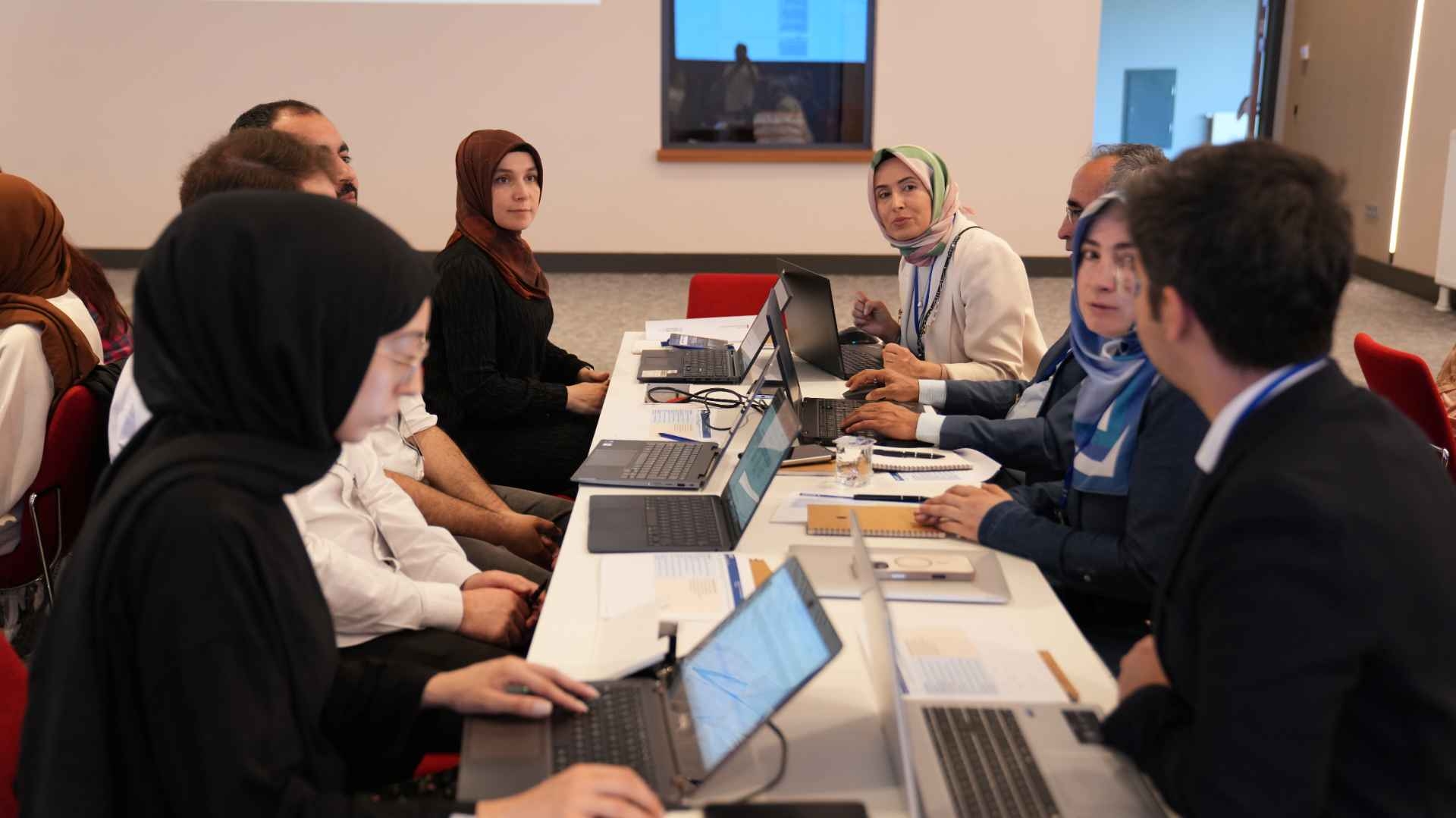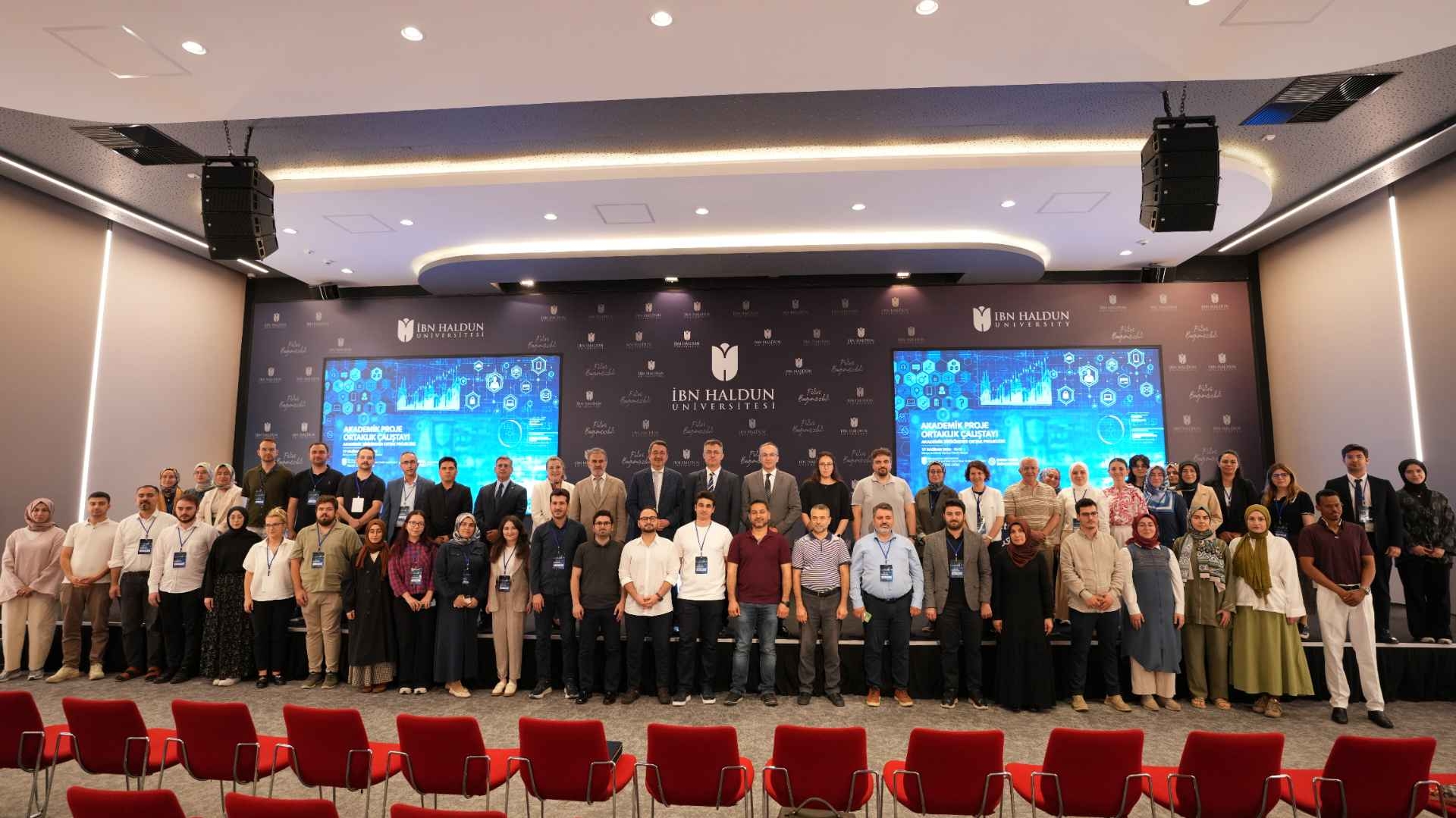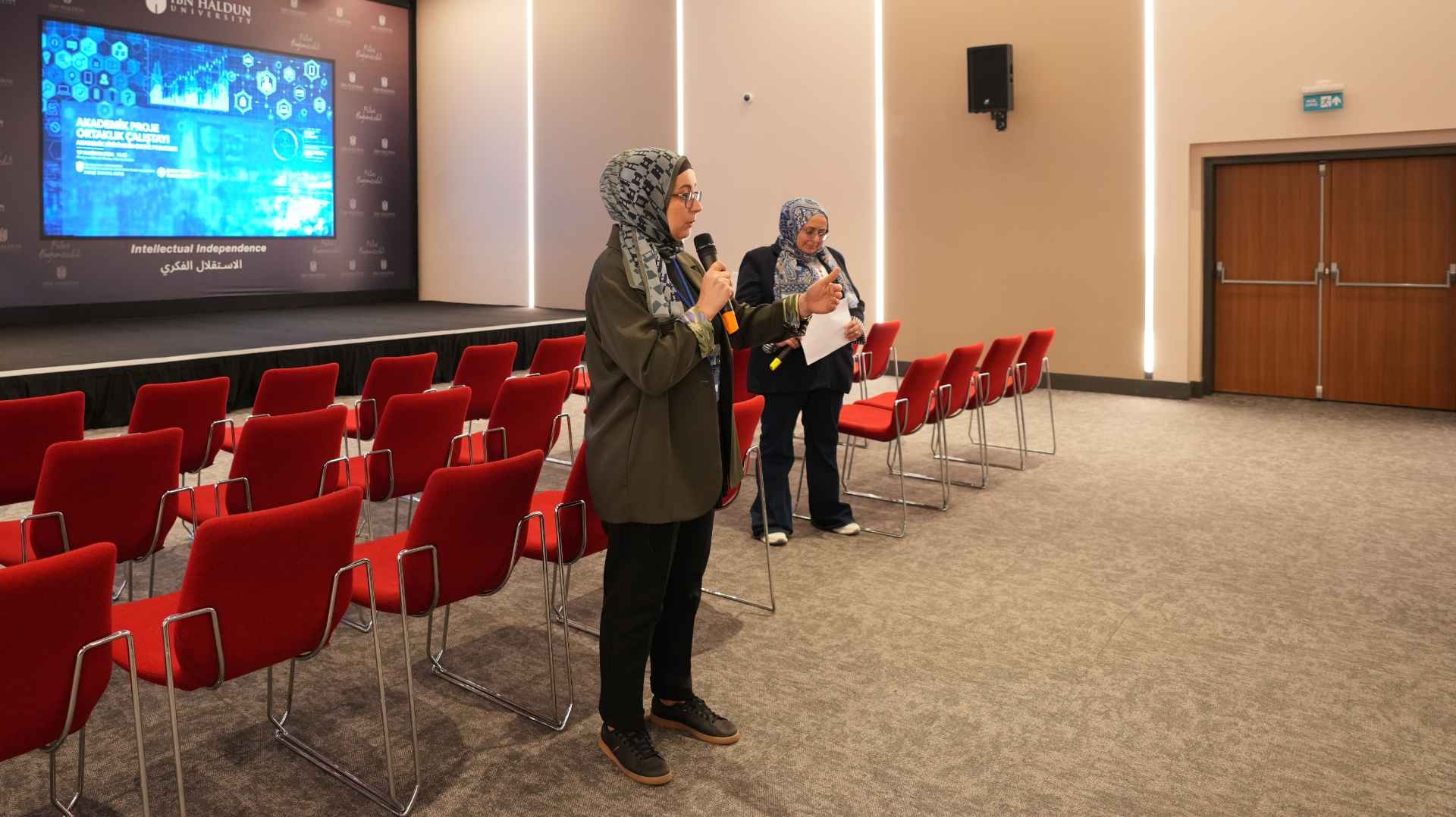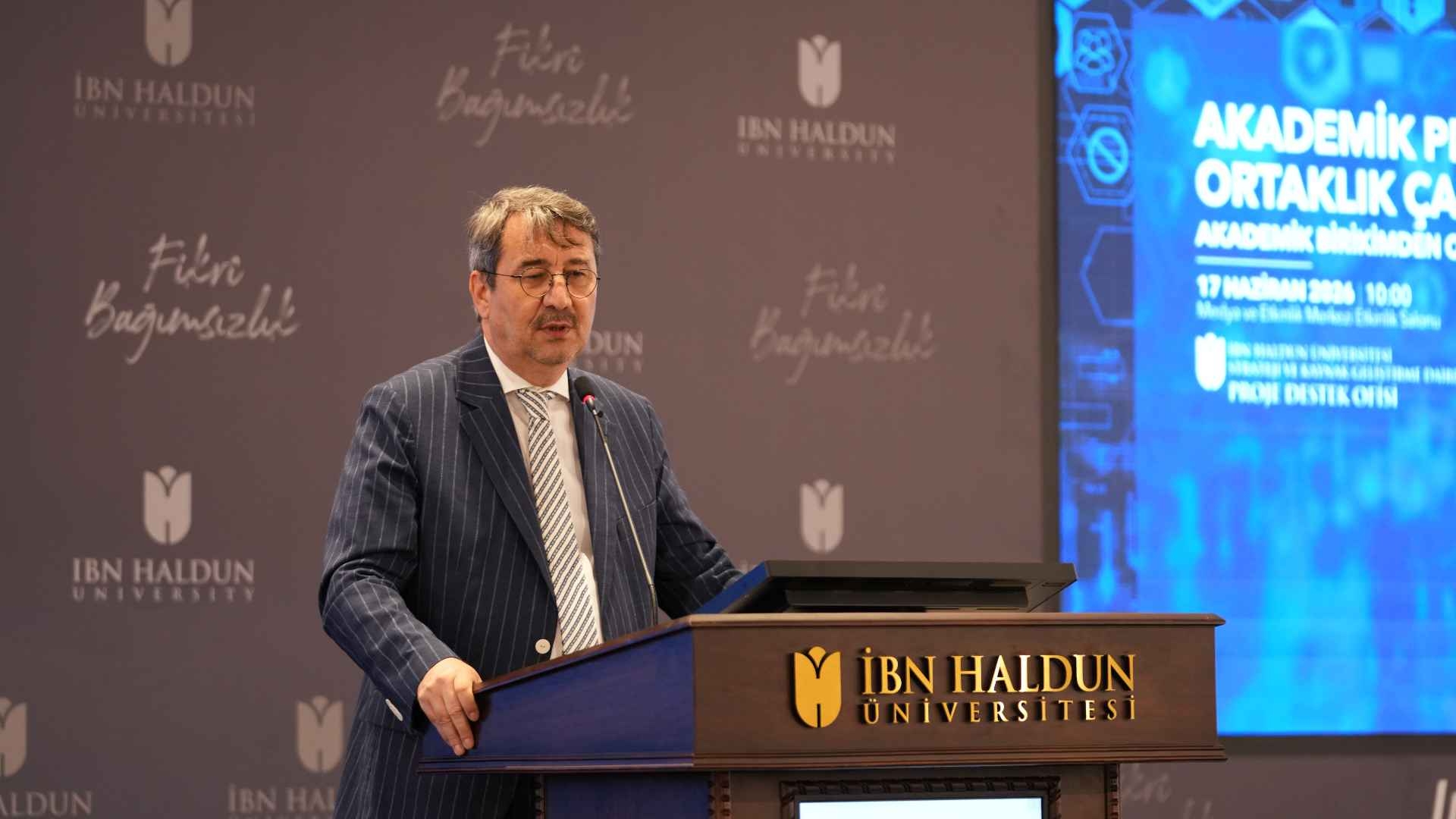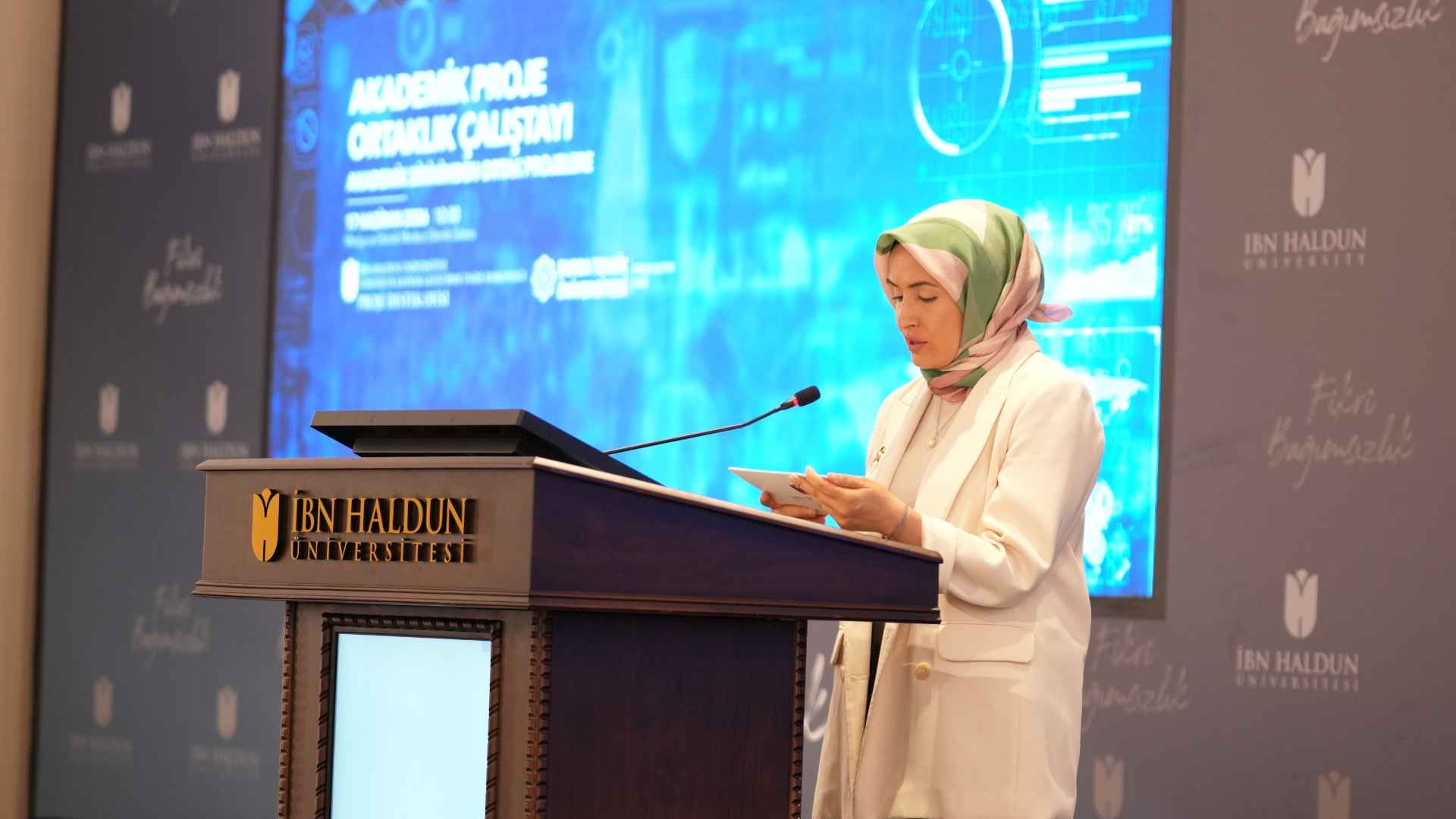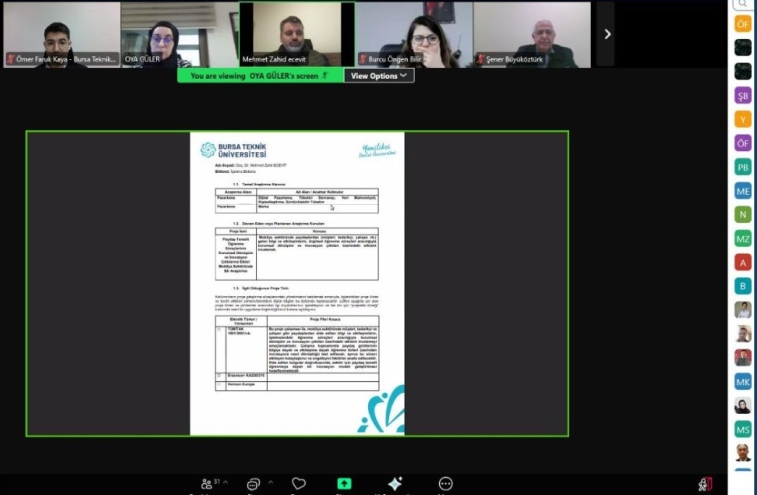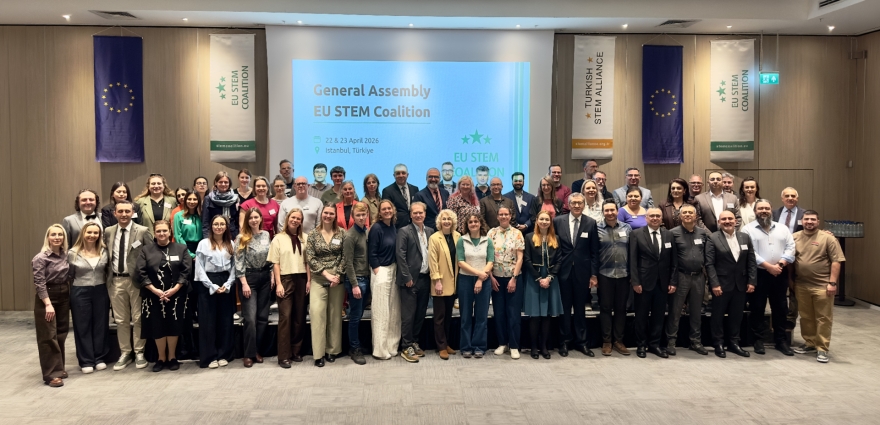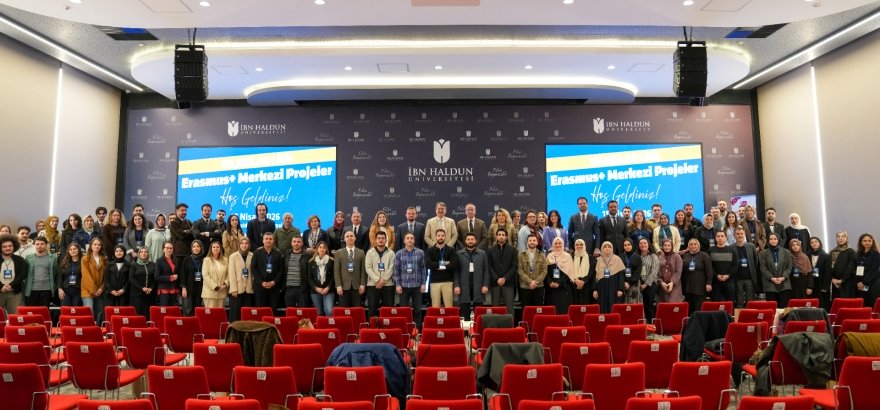

The collaboration between the two institutions began with an online matchmaking event held on April 22, 2026. Bringing together academics seeking to develop projects in the social sciences, this initial contact allowed the institutions to mutually recognize each other's research capacities and project development potential, laying the groundwork for a more comprehensive partnership. Workshop demonstrated that this process is not a one-off encounter, but an important step toward a long-term, strategic collaboration goal.
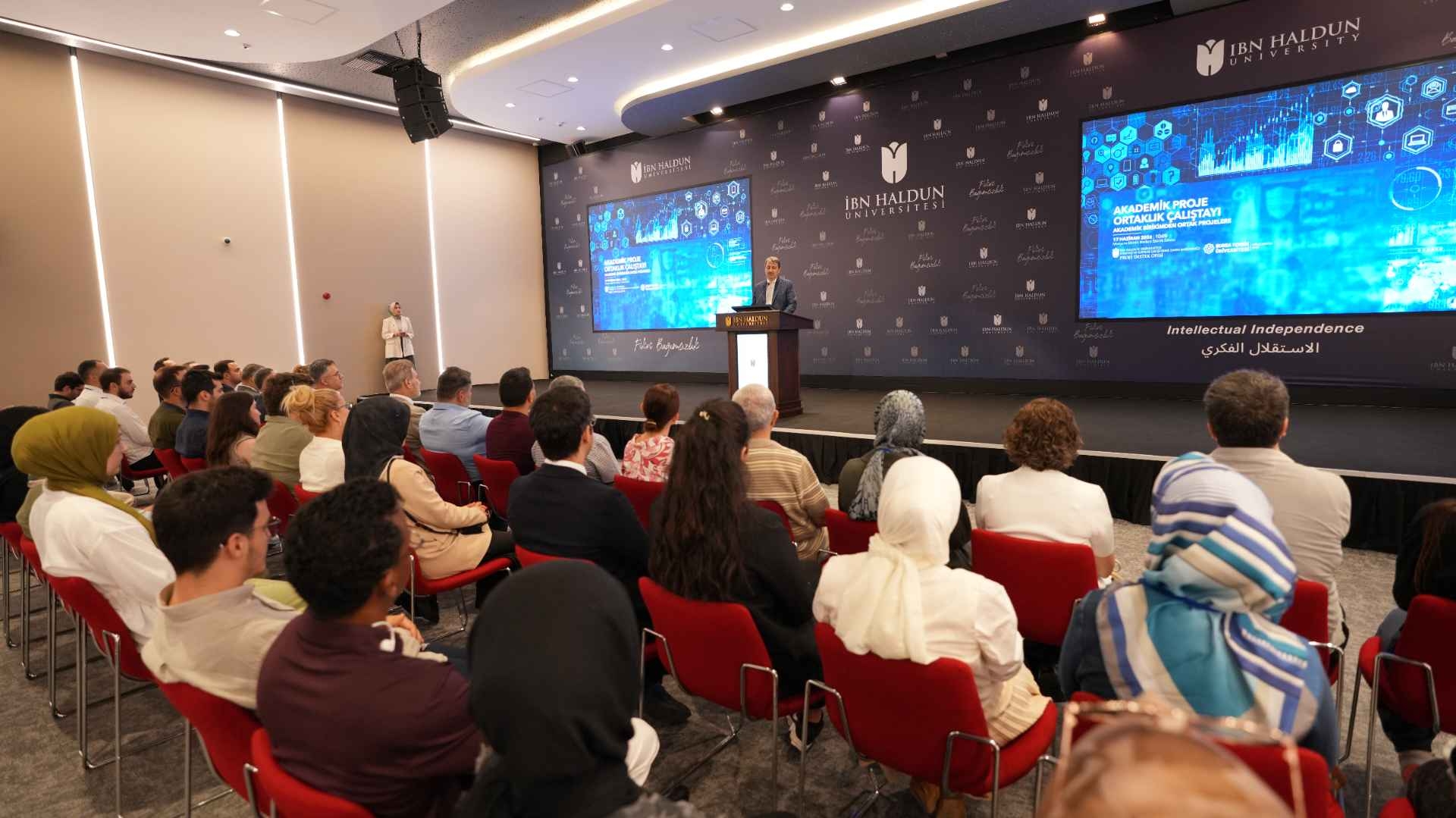
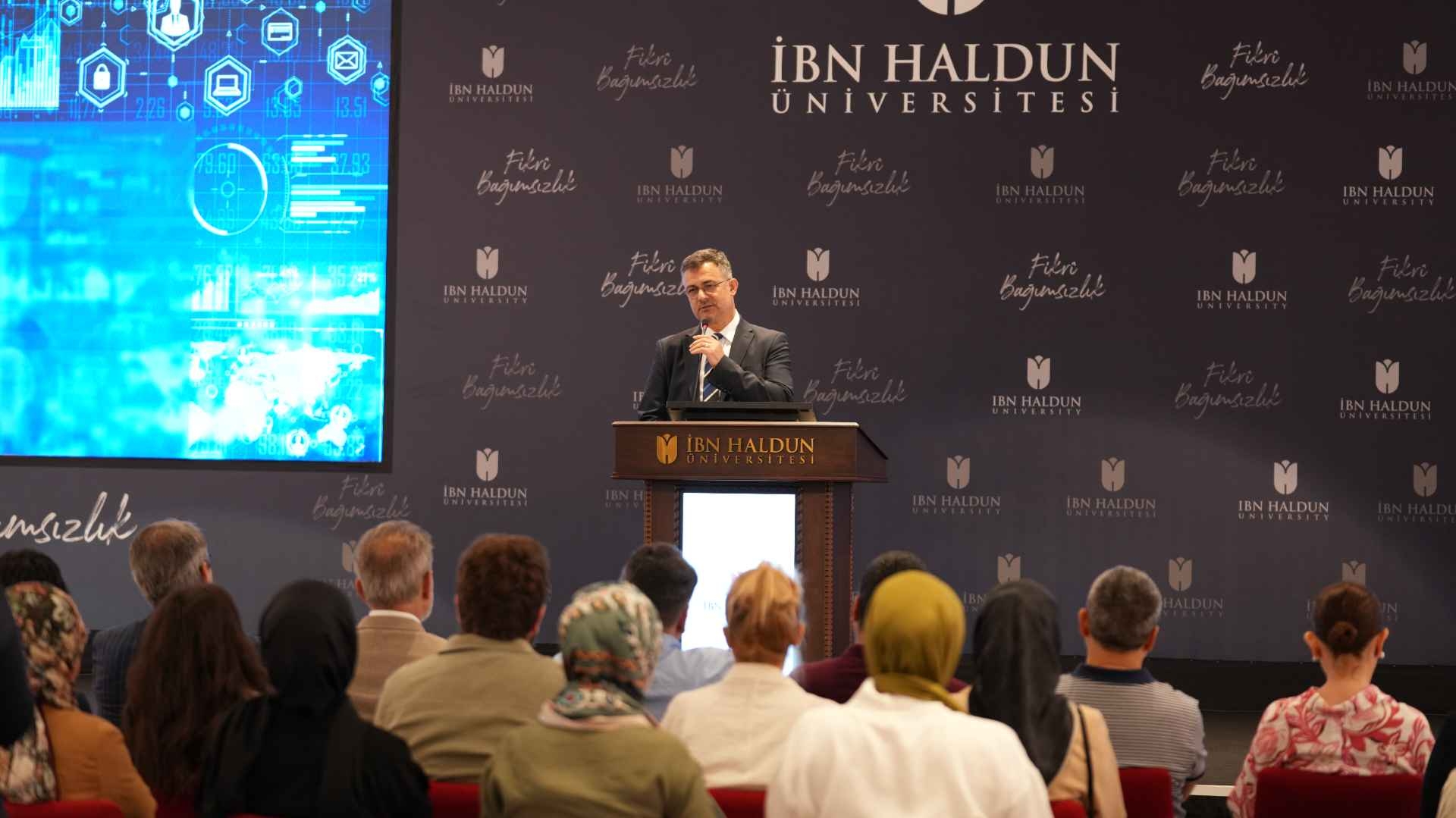
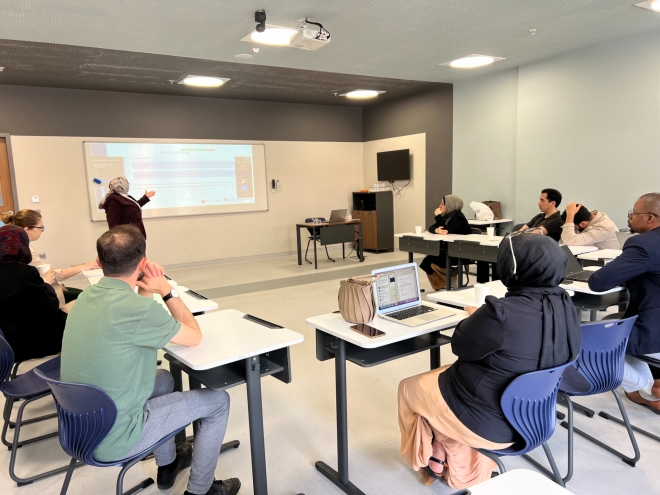
The full-day program began with opening remarks, followed by a session introducing the workshop methodology. Participants then came together in two main sessions, "Needs and Goals Analysis" and "Activity Design and Outcomes," with the day concluding with team presentations, feedback, and a general evaluation.
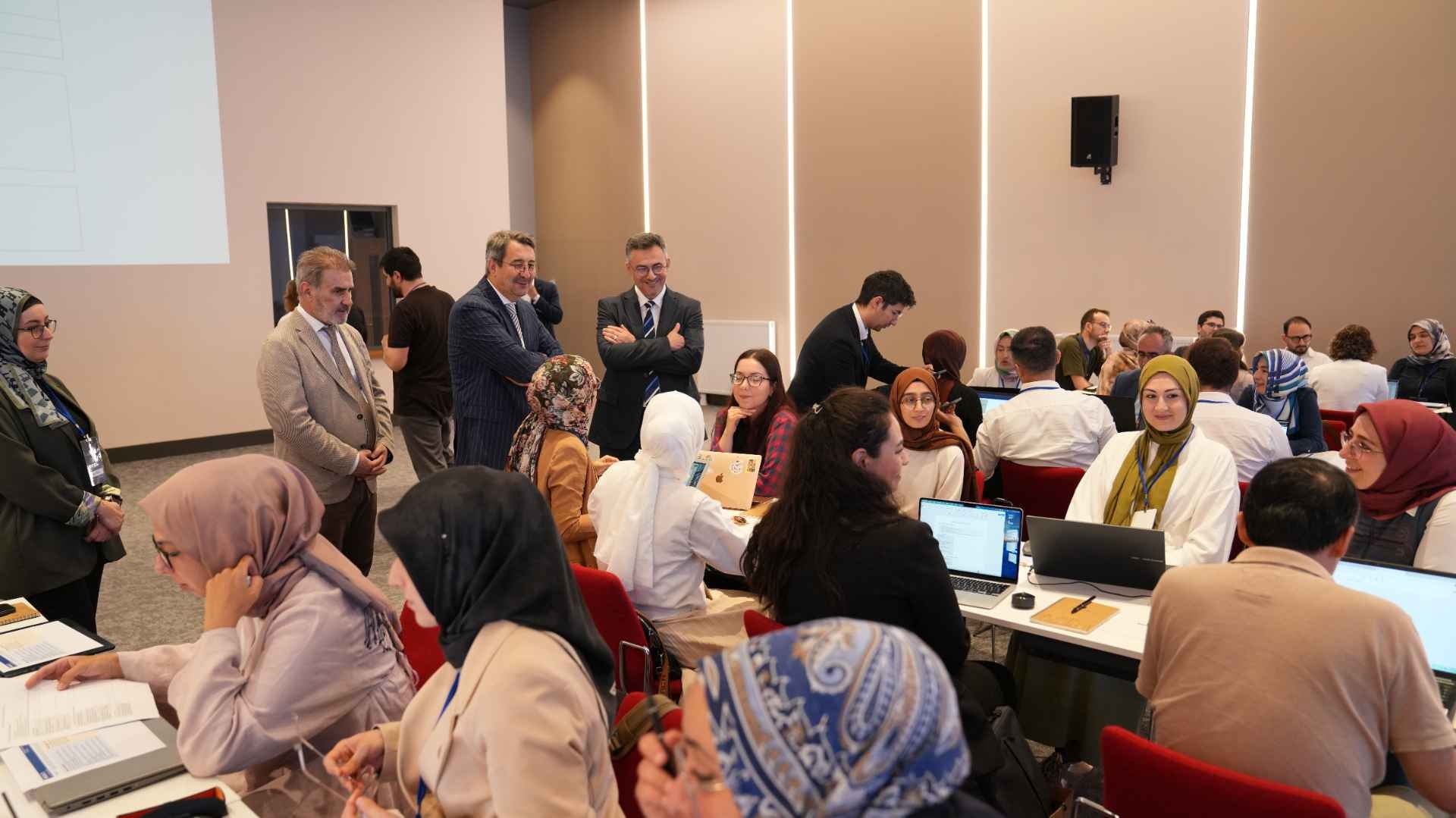
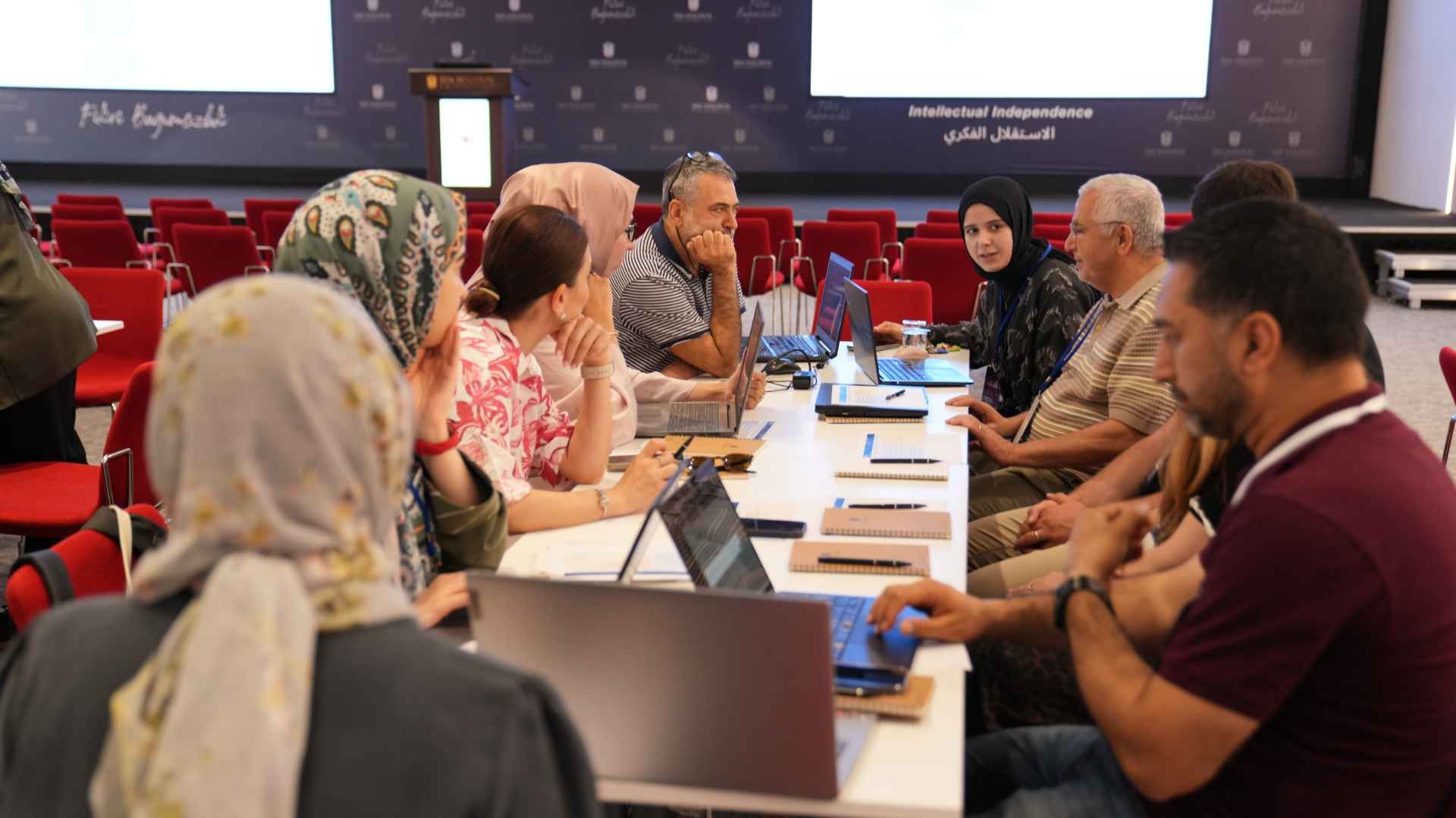
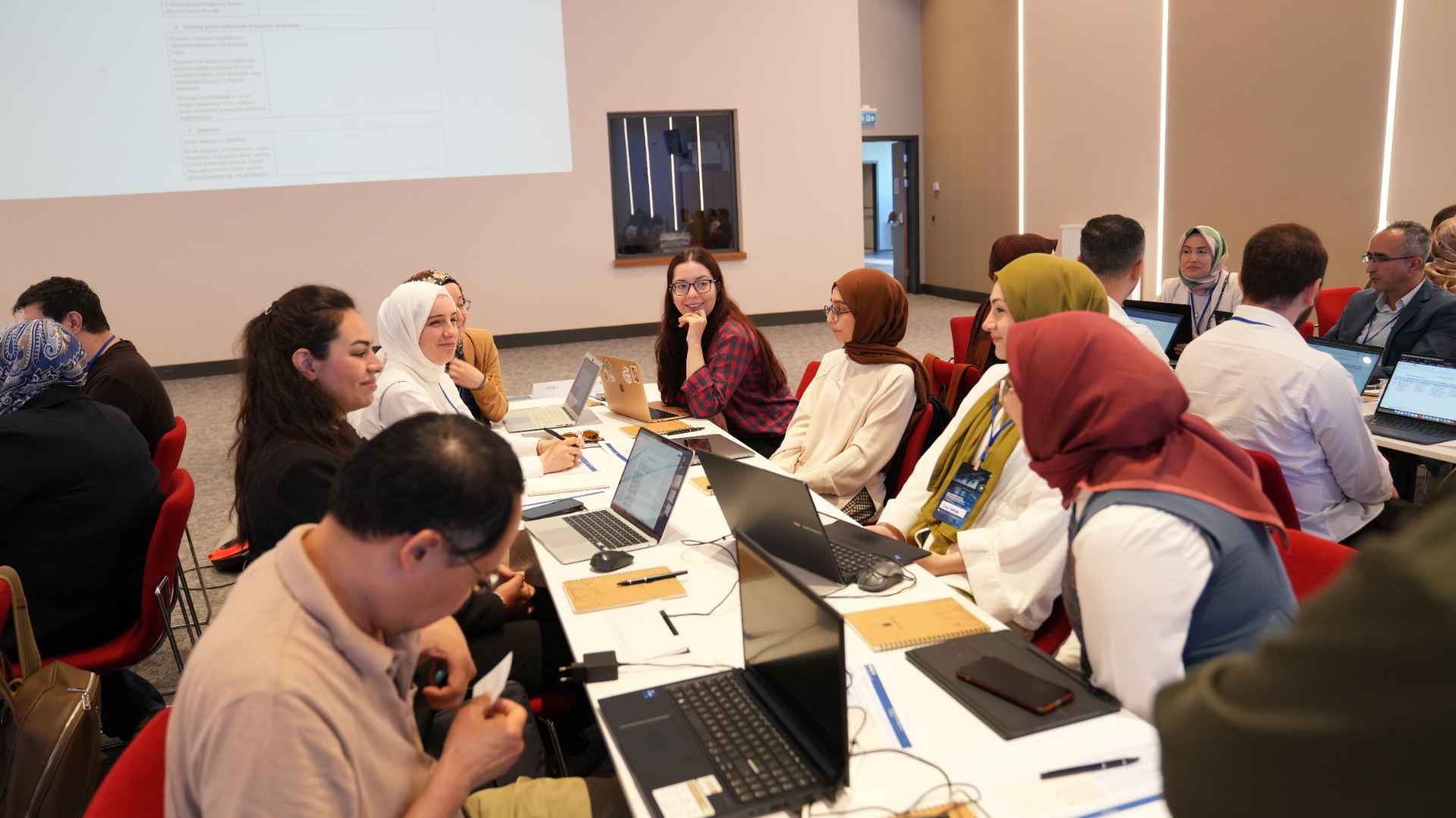
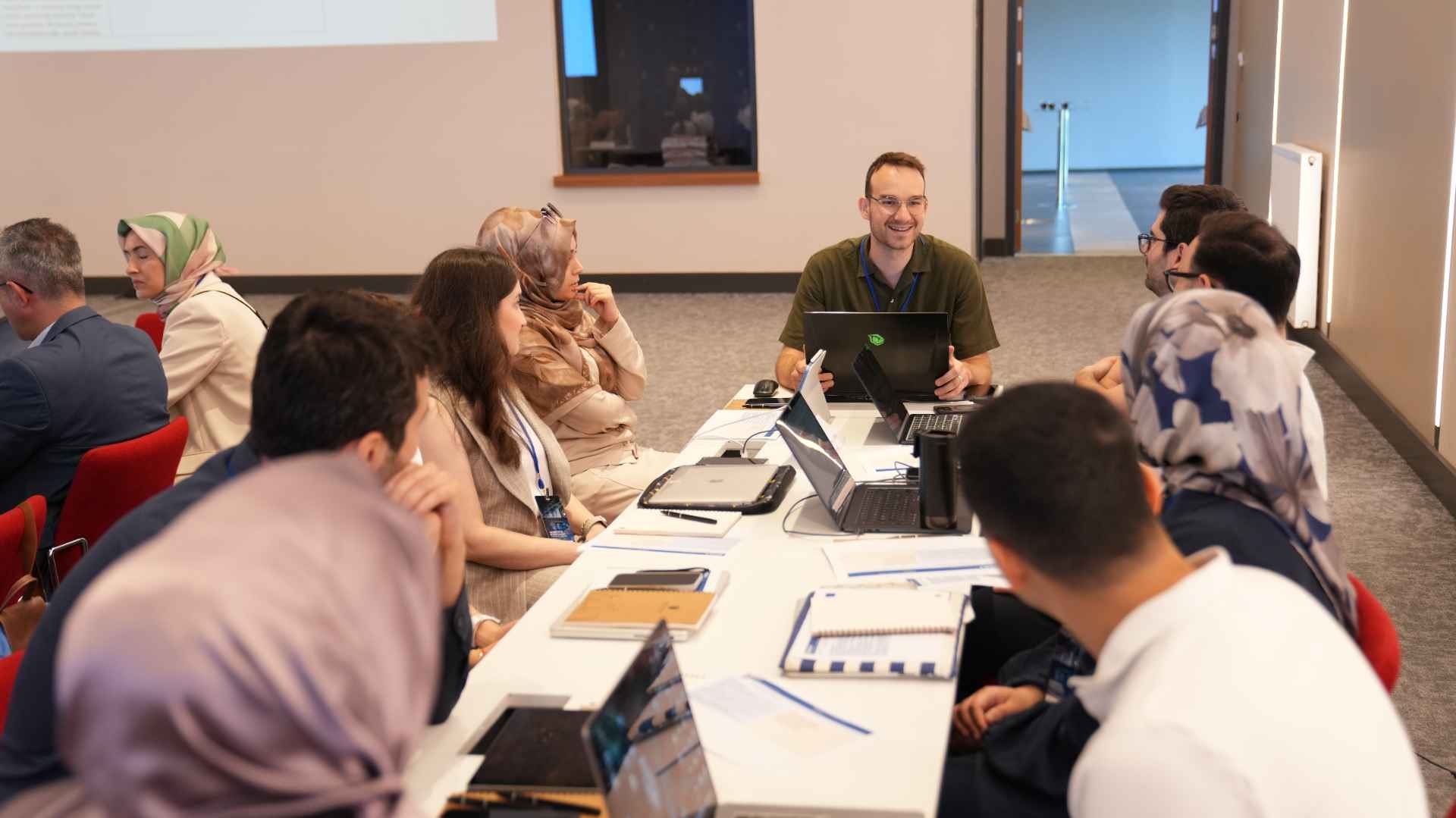
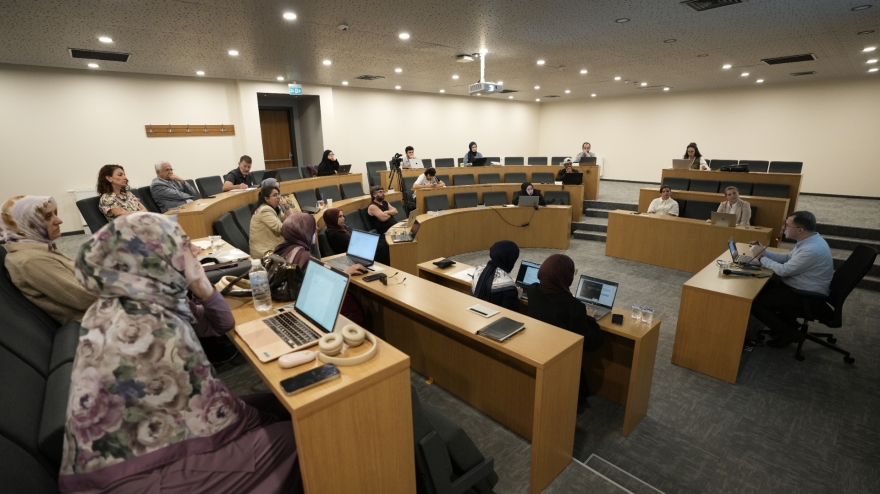
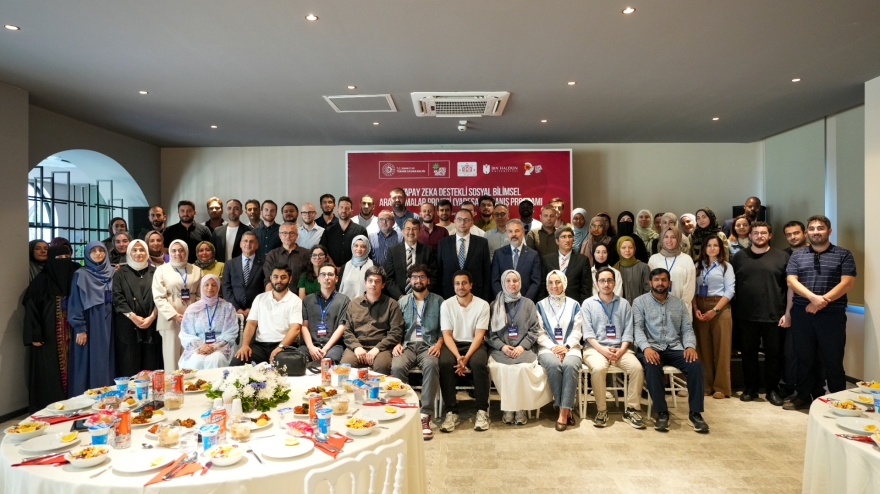
More than 40 academics from both institutions took part in the workshop. Participants gathered around six thematic tables — AI, SMEs and digital transformation; education, climate, media and AI literacy; migration, the Balkans and memory; violence against women, trauma and family; cultural heritage, art and Islamic thought; and business, logistics and data — to assess shared areas of work, discuss problem areas, and exchange views on project ideas that could be carried out jointly.
The main objective of the workshop was to bring greater structure to the collaboration between the two institutions, identify project areas that could be developed together, and support a shared vision with concrete goals. Spanning a wide range of disciplines — from Islamic thought to AI literacy, and from digital transformation to family studies — the thematic table sessions strengthened interdisciplinary exchange and laid the groundwork for turning joint project ideas into something concrete.
The shared areas of work identified at the workshop form the basis of a tangible roadmap connecting the two institutions' research ecosystems. This momentum is expected to translate into strong project applications under programs such as TÜBİTAK, Erasmus+, and Horizon Europe in the period ahead. A process that began with an online introduction in April has, with the step taken today, moved beyond institutional cooperation toward a lasting partnership model in which the two universities will shape their research agendas together.